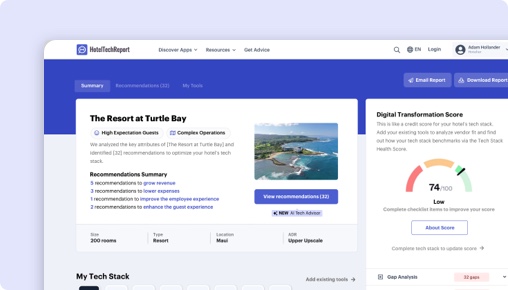
Sorry, this functionality is only available for verified hoteliers
The project dashboard is a free tool that is only available to verified hoteliers to make adopting new technology easier by streamlining their research and simplifying their communication workflow.

Demand Calendar vs. Smartpricing:
أيهما الأنسب لك؟


ملخص سريع
قمنا بتحليل 233 مراجعة موثقة من أصحاب الفنادق، وقارنّا مجموعات الميزات والأسعار ودراسات الحالة الواقعية لتوضيح أين تتفوق كل منصة. يعتمد الاختيار الصحيح على نوع عقارك وأولوياتك:
Demand Calendar AB يتميّز ، مع ميزات حصرية مثل Financial Forecast Builder and Scheduled Reports.
Smartness يتميّز في onboarding ، مع ميزات حصرية مثل Fully automated revenue management and Controlled Automation/Algorithm Customization.
كيف يُقارن Demand Calendar بـ Smartpricing؟
تقييمات جنبًا إلى جنب بناءً على 233 مراجعة موثقة من أصحاب الفنادق على HTR.
| HTScore |
|
|
| احتمالية التوصية |
|
|
| سهولة الاستخدام |
|
|
| دعم العملاء |
|
|
| القيمة مقابل السعر |
|
|
| السعر المبدئي | From $600/mo | From $300/mo |
| مراجعات موثقة | 7 | 226 |
ما هي إيجابيات وسلبيات Demand Calendar مقابل Smartpricing؟
بعد تحليل 233 مراجعة موثقة، يقدّر مستخدمو Demand Calendar AB بشكل أكبر ، بينما يبرز مستخدمو Smartness time efficiency, سهولة الاستخدام, خدمة العملاء. انقر على أي موضوع لمعرفة ما يقوله المراجعون.
|
Demand Calendar AB
|
Smartness
|
|---|---|
| الإيجابيات | |
|
+
Time Efficiency
▾
|
|
|
+
سهولة الاستخدام
▾
|
|
|
+
خدمة العملاء
▾
|
|
|
+
Dynamic Pricing Automation
▾
|
|
| السلبيات | |
|
−
تقارير قابلة للتخصيص
▾
|
|
|
−
الشفافية والرؤية
▾
|
|
|
−
التكامل مع نظام إدارة الفنادق
▾
|
|
Demand Calendar AB مقابل Smartness: التصنيفات حسب شريحة الفنادق
كيف يُصنّف كل منتج بين مزوّدي أنظمة إدارة الإيرادات لأحجام العقارات وأنواعها ومناطقها المختلفة — بناءً على مراجعات موثقة من أصحاب الفنادق في كل شريحة.
حسب حجم الفندق
| الشريحة |
Demand Calendar AB
|
Smartness
|
|---|---|---|
| صغير (10-24 غرفة) ▾ | #36 2 مراجعة | #4 93 مراجعة |
| متوسط (25-74 غرفة) ▾ | #34 5 مراجعة | #12 32 مراجعة |
| كبير (75-199 غرفة) ▾ | — | #16 5 مراجعة |
| كبير جدًا (200+ غرفة) | — | #20 1 مراجعة |
حسب نوع العقار
| الشريحة |
Demand Calendar AB
|
Smartness
|
|---|---|---|
| بوتيك ▾ | #36 5 مراجعة | #8 62 مراجعة |
| فاخر ▾ | #38 2 مراجعة | #10 33 مراجعة |
| علامة تجارية / سلسلة ▾ | #33 2 مراجعة | #12 24 مراجعة |
| إقامة ممتدة ▾ | — | #6 29 مراجعة |
حسب المنطقة
| الشريحة |
Demand Calendar AB
|
Smartness
|
|---|---|---|
| أمريكا الشمالية ▾ | — | #15 7 مراجعة |
| أوروبا ▾ | #27 5 مراجعة | #5 199 مراجعة |
| آسيا والمحيط الهادئ | #13 2 مراجعة | — |
| الشرق الأوسط | — | #11 3 مراجعة |
The Decision
Choosing between Demand Calendar by Demand Calendar AB and Smartpricing by Smartness hinges on your hotel’s specific revenue management needs. Both aim to improve your profitability through data and automation, but they diverge significantly in scope, features, and user experience. Demand Calendar’s niche focus on business intelligence makes it suitable for hotels prioritizing detailed analytics, while Smartpricing’s broader automation appeals to those seeking simple, real-time rate adjustments. Which aligns better with your hotel’s operational style?
Demand Calendar offers extensive revenue analytics and forecasting tools, whereas Smartpricing emphasizes dynamic, AI-driven rate adjustments. Your decision depends on whether you want a deep business intelligence platform or an automated pricing engine. Are you ready to weigh their strengths against your hotel’s unique priorities?
Is Demand Calendar or Smartpricing Better for Hotels?
Demand Calendar focuses on providing a comprehensive suite of analytics, forecasting, and profit management tools designed to give your team detailed insights and control over total revenue streams. Its three-tiered approach—room revenue, total revenue, and profit-focused management—is tailored for hotels that need granular data to inform strategic decisions.
In contrast, Smartpricing simplifies revenue management by automating daily price adjustments based on market demand, competitor pricing, and booking trends. It’s ideal for hotels that prefer a hands-off, automated approach to rate optimization, especially if you operate multiple properties or manage vacation rentals.
Demand Calendar’s strengths lie in its in-depth business intelligence, multi-source data integration, and profit-centric analytics, making it suited for hotels with dedicated revenue teams. Smartpricing excels in ease of use, automation, and real-time adjustments, appealing to hoteliers seeking a straightforward, effective revenue solution.
Would your hotel benefit more from detailed analytics or from automated, AI-driven pricing?
Demand Calendar vs Smartpricing: Which Should Your Hotel Choose?
If your hotel needs to understand total revenue sources, forecast profitability, and analyze customer acquisition costs, Demand Calendar is the better choice. Its advanced forecasting tools and business intelligence features—like scheduled reports and loss business data—help you make data-driven decisions that maximize profitability.
On the other hand, if your team prioritizes quick, automated rate adjustments with minimal manual input, Smartpricing is the right fit. Its dynamic pricing engine, real-time price updates, and user-friendly interface help you boost occupancy and revenue without complex analysis.
For hotels with a dedicated revenue management team that requires strategic insights, Demand Calendar offers more comprehensive tools. Conversely, if your hotel prefers automation and ease, Smartpricing delivers effective rate management with less effort.
Is Demand Calendar or Smartpricing Easier to Use?
Demand Calendar boasts a high ease-of-use rating of 4.71/5, with an onboarding experience rated at 4.33/5. Its interface is designed for multi-property management, and reviews highlight how intuitive and interactive the platform is for revenue teams. However, some users mention connectivity issues with certain PMS integrations, which slightly impacts overall ease.
Smartpricing scores marginally higher at 4.77/5 and enjoys a stronger onboarding rating of 4.69/5. Its clean, simple interface makes setup and daily use straightforward, even for non-technical staff. Users appreciate how quickly they can implement strategies and see results.
Edge: Smartness.
Which Has Better Features: Demand Calendar or Smartpricing?
Demand Calendar offers four exclusive features: Financial Forecast Builder, Scheduled Reports, Lost Business Data, and Business Intelligence, adding depth to its analytics suite. These tools enable detailed profit analysis, strategic planning, and multi-source revenue insights.
Smartness, however, provides a broader array of features—28 in total—including dynamic pricing, fully automated revenue management, real-time price optimization, price sensitivity modeling, and advanced automation controls. It also includes features like AI Optimization, "What-if" scenario analysis, and a channel manager for integrated distribution.
Given the sheer number of features, Smartness offers a more versatile toolset. But if your focus is on advanced financial forecasting and business intelligence, Demand Calendar’s niche features could be more beneficial.
Edge: Smartness.
Which Has Better Customer Support: Demand Calendar or Smartpricing?
Demand Calendar’s customer support is rated a perfect 5/5, with reviews emphasizing responsiveness and proactive assistance. One user notes, “Whenever I have a question, the support team is quick to respond and helpful,” reinforcing their reputation for excellent service.
Smartness also ranks highly at 4.83/5, with users praising their efficient communication and ongoing support during onboarding and beyond. A typical review states, “Their team is very attentive and always ready to assist with any issues,” which reflects their commitment to customer satisfaction.
While both excel, Demand Calendar’s slightly higher rating underscores its strong customer support reputation.
Edge: Demand Calendar.
Which Has More Integrations: Demand Calendar or Smartpricing?
Demand Calendar integrates with five verified partners, including Mews, Clock, and Oracle Hospitality. Its integrations are focused but limited, with some notable gaps such as IDeaS and HQ Revenue, which are only supported in Demand Calendar.
Smartness, by comparison, offers 30 verified integrations across a wide range of PMS, booking engines, and channel managers—including HotelRunner, WuBook, Beds24, and Casablanca. It shares partners like Mews and Oracle but covers a broader ecosystem, facilitating easier connectivity for diverse hotel setups.
Edge: Smartness.
Which Do Hoteliers Rate Higher: Demand Calendar or Smartpricing?
Demand Calendar’s user base, although smaller with only 7 reviews, has not provided recent feedback, making it harder to gauge current satisfaction. Its ratings are generally positive but lack data to confirm recent hotel experiences.
Smartness, with 198 reviews and recent ratings, boasts a very high likelihood to recommend at 97%. Hotels across Europe, North America, and beyond praise its ease of use, automation, and ROI-focused features. Given the volume and recency of reviews, Smartness’s reputation appears stronger and more current.
Edge: Smartness.
How Much Do Demand Calendar and Smartpricing Cost?
Demand Calendar is priced at $600 per month, with no free trial or freemium options. Its pricing reflects its focus on detailed analytics and multi-property management, suitable for hotels with dedicated revenue teams.
Smartness, at $300 per month, offers a more affordable entry point with no trial or implementation fees. Its lower price, combined with automation features, makes it attractive for smaller hotels or those new to revenue management systems.
Both platforms lack free trials, so your decision should consider value relative to your hotel’s budget and needs.
What Type of Hotel Should Use Demand Calendar?
- Hotels that require in-depth revenue analytics, forecasting, and profit management.
- Hotels with dedicated revenue managers or teams who need detailed, multi-source data.
- Properties seeking integration with various revenue streams beyond room sales, such as F&B or events.
- Hotels that value strategic business intelligence and detailed reporting.
- Hotels managing multiple locations needing consolidated oversight.
Not ideal if your hotel:
- Prefers a simple, automated pricing tool over in-depth analytics.
- Operates with a small team or limited revenue management resources.
- Needs quick, real-time rate adjustments without diving into analytics.
Demand Calendar suits hotels that prioritize strategic revenue insights and profit maximization over day-to-day rate automation.
What Type of Hotel Should Use Smartpricing?
- Hotels looking for a simple, automated revenue management tool that requires minimal manual input.
- Properties with limited or no dedicated revenue management staff.
- Small to medium-sized hotels or vacation rentals seeking to increase occupancy and revenue efficiently.
- Hotels that want real-time price adjustments based on market demand, without complex analytics.
- Hotels with multiple properties that benefit from centralized, automated rate updates.
Not ideal if your hotel needs detailed forecasting, in-depth analytics, or profit-oriented management.
Smartpricing is perfect for hotels that want to boost bookings with less effort and a straightforward setup.
The Bottom Line for Hotels
Demand Calendar excels when your hotel demands detailed, multi-stream revenue analytics, strategic forecasting, and profit management tools. Its focus on business intelligence makes it suitable for hotels with dedicated revenue teams or complex operations.
Smartpricing is the go-to if you need an easy-to-use, automated pricing engine that updates rates in real-time, maximizing occupancy and revenue without requiring intensive analysis. Its AI-driven approach suits hotels that want to reduce manual work and rely on smart automation.
If your hotel has a sizable revenue team, values detailed insights, and can invest in higher-priced software, Demand Calendar is the clear choice. Conversely, for hotels seeking quick wins, automation, and affordability, Smartpricing delivers the most value.
In summary, Demand Calendar is for strategic, analytics-driven hotels; Smartpricing is better for automated, operational rate management. Your hotel’s size, team structure, and revenue priorities should guide your decision.
كم تبلغ تكلفة Demand Calendar وSmartpricing؟
نادرًا ما تكون أسعار أنظمة إدارة الإيرادات واضحة ومباشرة. إليك ما نعرفه من بيانات التسعير العامة لكل مزوّد. اطلب دائمًا عرض أسعار مخصصًا لحجم عقارك.
|
Demand Calendar AB
|
Smartness
|
|
|---|---|---|
| Starting Price | From $600/mo | From $300/mo |
ما الميزات التي يمتلكها Demand Calendar ولا يمتلكها Smartpricing (والعكس)؟
وفقًا لقاعدة بيانات منتجات HTR، يشترك Demand Calendar وSmartpricing في 14 ميزة. فيما يلي الاختلافات الرئيسية — الميزات التي يمتلكها أحدهما ولا يمتلكها الآخر.
| الميزة |
Demand Calendar AB
|
Smartness
|
|---|---|---|
| إدارة إيرادات مؤتمتة بالكامل | ||
| التسعير الآلي لنوع الغرفة | ||
| التسعير الديناميكي | ||
| التقارير المجدولة | ||
| بيانات الأعمال المفقودة | ||
| تحسين السعر في الوقت الفعلي | ||
| تقارير مخصصة | ||
| ذكاء الأعمال | ||
| منشئ التنبؤ المالي | ||
| نمذجة حساسية السعر |
عرض أهم الاختلافات. 20 ميزة إضافية تختلف بين هذين المنتجين.
نتائج واقعية: Demand Calendar AB مقابل Smartness حسب الهدف التجاري
قمنا بتحليل 1 دراسة حالة موثقة لمقارنة ما تحققه الفنادق فعليًا مع كل منصة عبر أربعة أهداف تجارية رئيسية.
Demand Calendar AB
لا توجد دراسة حالة منشورة لهذا الهدف بعد.
CheckVienna
كبير
"In the past, I used to sit down every day and rack my brains over the prices. It was a burden. Because I knew if I made a mistake, I could lose €50,000. With Smartpricing, I have t..."
Demand Calendar AB مقابل Smartness: الخلاصة
قدرات فريدة
ما يحبه أصحاب الفنادق
Many reviews highlight the platform's ability to save time by automating repetitive tasks such as pricing updates and inventory management. Users appr... Many reviews highlight the platform's ability to save time by automating repetitive tasks such as pricing updates and inventory management. Users appreciate the substantial time savings allowing focus on strategic tasks. However, some reviews suggest that real-time support could further enhance efficiency in handling quick queries.
يُشيد بالبرنامج لتصميمه البديهي، مما يُسهّل إدارة العمليات المعقدة كالتسعير الديناميكي وتحليل البيانات، حتى لغير المتخصصين. وهذا يُقلل بشكل كبير من وق... يُشيد بالبرنامج لتصميمه البديهي، مما يُسهّل إدارة العمليات المعقدة كالتسعير الديناميكي وتحليل البيانات، حتى لغير المتخصصين. وهذا يُقلل بشكل كبير من وقت التعلم. ويقترح بعض المستخدمين عملية إعداد أكثر سلاسة لتحسين تجربة المستخدم الأولية.
على الرغم من أن الدعم يعتبر بشكل عام ممتازًا وسريع الاستجابة، فقد اقترح بعض المستخدمين أن دعم الدردشة في الوقت الفعلي يمكن أن يعزز رضا العملاء من خلال... على الرغم من أن الدعم يعتبر بشكل عام ممتازًا وسريع الاستجابة، فقد اقترح بعض المستخدمين أن دعم الدردشة في الوقت الفعلي يمكن أن يعزز رضا العملاء من خلال السماح بحل المشكلات بسرعة، لا سيما بالنسبة للاستفسارات البسيطة التي تحتاج إلى اهتمام فوري.
ما يعترض عليه أصحاب الفنادق
هناك دعوات لتطوير ميزات إعداد تقارير أكثر قابلية للتخصيص، مما يتيح تحليلاً أفضل ورؤى مصممة خصيصاً لإدارة الفنادق. ويعتقد المستخدمون أن ذلك سيعزز التخط... هناك دعوات لتطوير ميزات إعداد تقارير أكثر قابلية للتخصيص، مما يتيح تحليلاً أفضل ورؤى مصممة خصيصاً لإدارة الفنادق. ويعتقد المستخدمون أن ذلك سيعزز التخطيط الاستراتيجي والتعديلات التشغيلية استناداً إلى تقارير مفصلة.
أعرب بعض المستخدمين عن حاجتهم إلى مزيد من التوضيحات الشفافة للتوصيات التي يقدمها البرنامج. من شأن تقديم تفسيرات أوضح أن يزيد من الثقة في اقتراحات النظ... أعرب بعض المستخدمين عن حاجتهم إلى مزيد من التوضيحات الشفافة للتوصيات التي يقدمها البرنامج. من شأن تقديم تفسيرات أوضح أن يزيد من الثقة في اقتراحات النظام ويعزز التعلم للمستخدمين غير الملمين بخوارزميات التسعير المعقدة.
يحتل مرتبة أعلى في
قدرات فريدة
أكبر فجوة في التقييمات
الأسئلة الشائعة حول Demand Calendar مقابل Smartpricing
هل يمكن لـ Demand Calendar أن يحل محل Smartpricing؟
يعتمد ذلك على متطلباتك. يشترك Demand Calendar وSmartpricing في العديد من ميزات Revenue Management Systems الأساسية، لكن لكل منهما قدرات فريدة. يقدم Demand Calendar عدد 5 شريك تكامل موثق، بينما يقدم Smartpricing عدد 35. راجع مقارنة الميزات أعلاه لمعرفة أين يختلفان قبل التبديل.
أيهما أفضل للفنادق الصغيرة أو المستقلة؟
يجب أن تعطي الفنادق الصغيرة الأولوية لسهولة الاستخدام وسرعة الإعداد. يتصدر Smartpricing في سهولة الاستخدام بتقييم 4.8/5 مقابل 4.7/5. ابحث عن تسعير شفاف وخيار تجربة أو عرض توضيحي. قم بتصفية المراجعات في صفحة كل منتج حسب حجم العقار للاستماع إلى فنادق مثل فندقك.
هل يقدم Demand Calendar أو Smartpricing خطة مجانية؟
Demand Calendar: لا. Smartpricing: لا. لا يقدم أي من المنتجين حاليًا طبقة مجانية. يقدم معظم مزوّدي Revenue Management Systems عروضًا توضيحية أو تجارب — اطلب واحدة من كل منهما للتقييم قبل الالتزام.
كيف يقيّم HTR ويصنّف Demand Calendar وSmartpricing؟
HT Score هو تصنيف مركّب يأخذ في الاعتبار 4 مجموعات معايير وأكثر من عشرة متغيرات لمساعدة أصحاب الفنادق على مقارنة منتجات تكنولوجيا الفنادق بموضوعية. Demand Calendar AB حصل على HT Score بقيمة 0 وSmartness حصل على 88. إليك كيفية حساب النتيجة.
| مجموعة المعايير | الوزن | ما الذي يقيسه |
|---|---|---|
| تقييمات ومراجعات العملاء |
|
ما مدى توصية المستخدمين بهذا المنتج؟ درجة التقييمات، حجم المراجعات، حصة الصوت، عمق المراجعة، حداثة المراجعة، قصص النجاح ▾ العامل الأكثر وزنًا. يحلل متوسط تقييمات الرضا (احتمالية التوصية، سهولة الاستخدام، الدعم، العائد على الاستثمار)، إجمالي عدد المراجعات مقارنة بنظراء الفئة، حداثة المراجعات (20 مراجعة على الأقل في الأشهر الستة الماضية)، وحصة الصوت عبر عملاء الفنادق الفريدين لاكتشاف تحيز الاختيار. |
| منظومة الشركاء |
|
ما مدى توصية شركاء التكنولوجيا بهذه الشركة؟ توصيات الشركاء، كمية التكاملات، جودة التكاملات ▾ يقيّم توصيات الشركاء كأصوات ثقة من الخبراء، وعدد التكاملات الموثقة، وجودة المنظومة — متوسط درجات HT Score لشركاء التكامل. المنتجات ذات منظومات التكامل عالية الجودة أكثر احتمالًا لتقديم حزمة تقنية متصلة. |
| التمحور حول العميل |
|
ما مدى تمحور هذه المنظمة حول العميل؟ دعم معتمد، اتساق المراجعات، اكتمال الملف التعريفي ▾ يقيّم ما إذا كانت الشركة قد حصلت على شهادة دعم العملاء من HTR، وتحافظ على جمع مراجعات متسق بمرور الوقت (مؤشر على ثقافة مدفوعة بالملاحظات)، وتحافظ على اكتمال ملفات المنتجات بالقدرات ولقطات الشاشة والتسعير والميزات. |
| الانتشار والاستمرارية والموارد |
|
ما مدى انتشار هذه الشركة ومواردها؟ الانتشار الجغرافي، الاستمرارية، موارد الشركة، درجة الاتجاه ▾ يقيس التواجد العالمي (الدول والمناطق المخدومة)، سنوات العمل كمؤشر للاستقرار، عدد الفريق كمؤشر للموارد، ودرجة الاتجاه بناءً على استفسارات المشترين والمراجعات وتوصيات الشركاء والنشاط الصحفي خلال الاثني عشر شهرًا الماضية. |
تقييمات ومراجعات العملاء هي العامل الأهم بفارق كبير في خوارزمية HT Score. لا يقبل HTR مدفوعات مقابل تصنيفات أعلى. جميع المراجعات موثقة — يمكن فقط لممارسي صناعة الفنادق ذوي الانتماءات المؤكدة تقديم التقييمات. عرض منهجية HT Score الكاملة →
ما مقارنات أنظمة إدارة الإيرادات الأخرى التي يقرأها أصحاب الفنادق؟
اكتشف المزيد من المقارنات المباشرة بناءً على مراجعات موثقة من أصحاب الفنادق.


المحتويات
احصل على تقرير محلل الذكاء الاصطناعي المجاني
توصيات مخصصة مصممة خصيصًا لعقارك


دعونا نبحث عن معلومات فندقك
هل ما زلت تدرس خياراتك المتعلقة بفئة أنظمة إدارة الإيرادات؟
بعض الأنظمة الشائعة من دليل أنظمة إدارة الإيرادات لدينا - أو دع الذكاء الاصطناعي الخاص بنا يقيّم كل نظام مقابل خصائصك المحددة في غضون دقيقتين تقريبًا.