


Popular en Operations
La mejor opción de Sistemas de Gestión de Hoteles (PMS) de 2026
El sistema operativo central de su hotel para gestionar sin esfuerzo las reservas, la experiencia de los huéspedes y las operaciones.
La mejor opción de Herramientas de colaboración del personal de 2026
Mejora la colaboración en equipo con mensajería en tiempo real, uso compartido de tareas y actualizaciones centralizadas en todos los departamentos.
La mejor opción de Software de contabilidad para hoteles de 2026
Herramientas para gestionar la contabilidad, el presupuesto y la planificación financiera de su hotel.
Popular en Revenue Management
La mejor opción de Sistemas de gestión de ingresos de 2026
Maximice sus ingresos con precios dinámicos, previsión de la demanda y análisis de datos automatizados.
La mejor opción de Gestores de canal de 2026
Software de distribución hotelera que sincroniza tarifas, disponibilidad e inventario a través de canales de terceros.
La mejor opción de Inteligencia de negocios de 2026
Dígale adiós a las hojas de cálculo y aproveche las herramientas de BI modernas para visualizar sus datos y descubrir información oculta.
Popular en Marketing
La mejor opción de CRM y marketing por correo electrónico para hoteles de 2026
Convierta los datos de los huéspedes en acciones con ofertas personalizadas, comunicación dirigida y flujos de trabajo automatizados.
La mejor opción de Motor de reservas de 2026
El carrito de compras de comercio electrónico para el sitio web de su hotel.
La mejor opción de Software de gestión de metabúsquedas hoteleras de 2026
Configure, administre y optimice campañas publicitarias en todos los canales para generar reservas directas.
Popular en Guest Experience
La mejor opción de Aplicaciones para huéspedes de hotel de 2026
Mejore la experiencia de los huéspedes con una aplicación que ofrece información sobre los servicios, mensajería, pedidos móviles y oportunidades de venta adicional.
La mejor opción de Registro sin contacto de 2026
Ofrezca a sus huéspedes una experiencia de registro en línea sencilla, autorizaciones digitales y ventas adicionales sin complicaciones.
La mejor opción de Software de mensajería para invitados de 2026
Conéctese con los huéspedes al instante mediante mensajería en tiempo real, respuestas automatizadas y una comunicación fluida.
Lo sentimos, esta funcionalidad solo está disponible para hoteleros verificados
El panel de proyectos es una herramienta gratuita disponible únicamente para hoteleros verificados, que facilita la adopción de nuevas tecnologías al agilizar su investigación y simplificar sus flujos de comunicación.

Únase a 100.000 ejecutivos de las principales marcas como Accor, Marriott, Viceroy, Shangri-La, Rosewood, Expedia y AirBnB y reciba las últimas innovaciones y conocimientos en su bandeja de entrada una vez por semana.
Cómo The Gale Miami eliminó las filas en el vestíbulo y unificó la comunicación con los huéspedes con Canary
Lobby lines, phone trees, guests drowning in texts. The Gale Miami fixed all three without adding a single desk. See which move mattered most.
 Hotel Tech Report

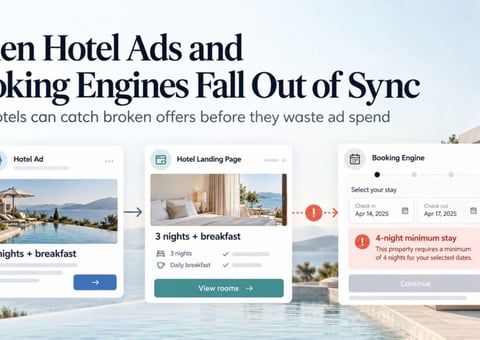
Cómo los hoteles pueden detectar ofertas rotas antes de que gasten dinero en publicidad
Hotel campaigns can keep running even after the underlying rate, restriction or package has changed. Automated offer validation helps catch those mismatches before they waste ad spend or create booking friction.
 Exely
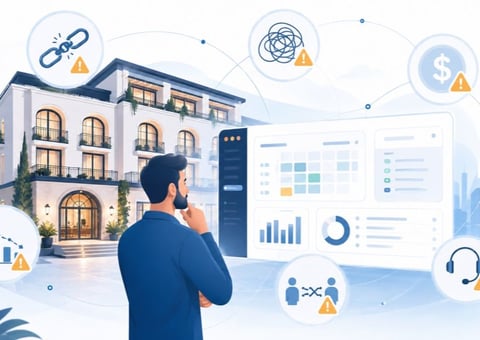
Antes de comprar: 6 errores comunes en sistemas de gestión hotelera que los hoteleros independientes deben evitar
Your choice of hotel property management system (PMS) shapes the course of your business for years to come, either setting you up for success or setting you back in a competitive marketplace. From daily workflows and guest satisfaction to overall revenue potential, your PMS touches every corner of your property. To help you choose with confidence, we’ve outlined the most common pitfalls independent hoteliers face when evaluating a new system—and how to avoid them. Pitfall #1: Falling Into the "Feature Bloat" Trap Boutique properties don’t need the same complicated technology as large chain hotels. Extra software features may result in a cluttered user interface, steeper learning curve, and higher costs that fail to deliver a return on investment (ROI). Before shopping for your new system, conduct a quick SWOT analysis (strengths, weaknesses, opportunities, and threats) for your property. Establish concrete 5-10 year business goals so you can select a platform that meets your actual operational needs without paying for unnecessary bells and whistles. Pitfall #2: Overlooking Hidden Costs of OwnershipWhat you see isn’t always what you pay. A hotel property management system may initially seem budget friendly, but keep an eye out for these hidden fees that quickly inflate your total cost of ownership: Tiered Support Fees: Ensure direct customer support is included in your base subscription. Some vendors charge extra for "premium" tiers just to get a live human on the phone. Per-User Licensing Fees: Avoid systems that charge per user profile. As your seasonal staffing changes or your business grows, these additional seat licenses become a financial burden. Look for a flat-rate subscription model instead. Direct Booking Commission Fees: Direct bookings are meant to eliminate middleman fees; vendors that charge a commission on reservations generated through your own website completely defeat the purpose. Opaque Setup and Cancellation Fees: Some vendors tack on arbitrary setup costs or steep early-exit penalties that aren't clear until you try to leave. Ensure your provider clearly outlines all standard contract terms, notice periods, and setup fees in plain English before you commit. Upgrade Fees: All PMS software requires upgrades to stay secure and functional. Ensure that upgrade fees won’t trap you on an older, unsupported version down the road. Pitfall #3: Treating Payment Processing as an AfterthoughtMany operators select a PMS first and figure out payments later. This separation frequently results in a clunky, disconnected check-in procedure and a higher risk of manual accounting errors. Instead of wrestling with third-party middleware, look for a PMS like WebRezPro with its own embedded payment processor. This enables seamless daily reconciliation, tighter data security (PCI compliance), and faster check-ins. Pitfall #4: Ignoring Integration Flexibility A modern, cloud-based PMS should act as a hub allowing information to flow freely and securely to and from your other critical tools. A thriving hotel relies on an ecosystem of interconnected technologies, including channel managers, point-of-sale (POS) systems, smart locks, and guest messaging apps. Strong integrations give you the flexibility to adopt best-in-class software as your property grows, without replacing your core system. Choosing a closed PMS creates data silos and missed revenue opportunities. Ensure your prospective PMS features a robust integration marketplace so you can build your ideal hospitality tech stack.Pitfall #5: Neglecting the Mobile and Guest-Facing Experience Independent hoteliers are rarely chained to a desk; they are on the floor checking rooms, greeting guests, or managing operations remotely. Choosing a legacy system restricted to desktop computers or even a cloud-based PMS with a poor mobile interface is a recipe for frustration for guests and staff alike. Furthermore, a clunky mobile booking experience will decimate direct conversions. Consider these statistics: 50% of hotel bookings happen on mobile devices.60% of travelers research hotels on mobile.It’s easy to get obsessed with the backend dashboard and forget to audit the booking engine from a guest's perspective. If the booking flow is clunky, requires too many steps, or feels outdated, guests will head straight back to OTAs like Expedia or Booking.com.Pro tip: Book a test reservation yourself—or better yet, ask a friend unfamiliar with your system to do so—to uncover any hidden friction points. The Impact of Direct Booking Engines on AI Search (GEO) A modern booking engine doesn't just serve human guests; it feeds AI search tools. Modern AI travel assistants rely on your booking engine’s structured data (schema markup) to pull real-time rates and availability for travelers. If your booking engine lacks clear schema markup, Generative Engine Optimization (GEO) breaks down, and AI search platforms may omit your property entirely. As generative AI becomes a primary way travelers discover and plan trips, a strong GEO strategy is no longer optional; it determines whether your property appears in next-generation search results. Pitfall #6: Discounting the Value of Support and Onboarding Implementing a new PMS is a major operational transition, and you shouldn't have to navigate it alone. Look for a vendor that provides a fully guided onboarding experience rather than simply handing over a login and leaving you to figure it out yourself.Beyond initial setup, reliable ongoing support is critical. When your system experiences a hiccup at 10:00 PM on a holiday weekend, you can’t afford to wait on a generic corporate chatbot; you need fast access to live, expert assistance.Finally, consider how easy the system is for your team to learn. With high staff turnover being an industry-wide reality, an intuitive user interface ensures seasonal or new employees can learn to check a guest in confidently during their very first shift.Future-Proofing Your Hotel Operations The right hotel property management system acts as an accelerator for your business, streamlining daily workflows, protecting your data, and unlocking new revenue streams. Take the time to audit software thoroughly from both the staff and guest perspectives to find a platform that supports long-term growth.
 WebRezPro
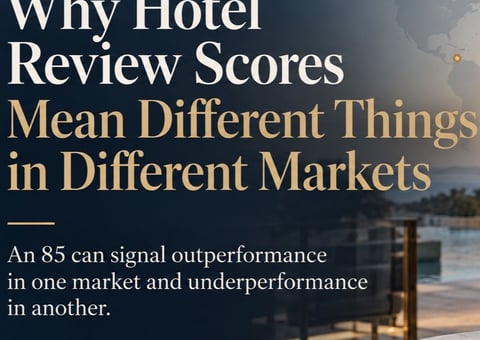
Por qué las puntuaciones de reseñas hoteleras significan cosas diferentes en distintos mercados
Hotel review scores vary significantly by market, platform and guest mix, making raw comparisons misleading. Operators should benchmark performance against the right local context before acting.
 Hotel Speaker
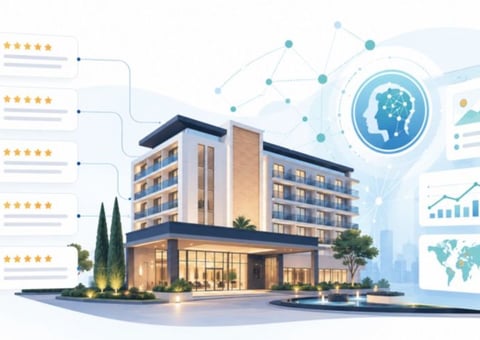
Por qué las reseñas son activos esenciales de marketing hotelero en la era de la IA.
Online reputation has always influenced bookings. Now it influences visibility itself.
 GuestRevu
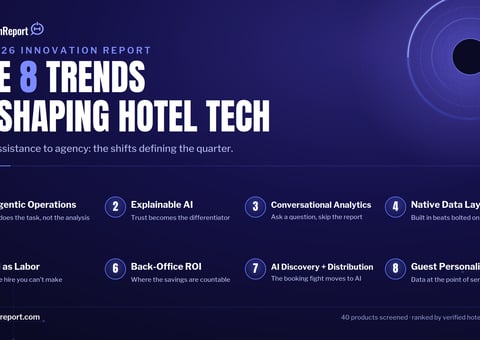
Informe sobre innovación tecnológica en hoteles: tendencias y tácticas de IA (segundo trimestre de 2026)
The Q2 2026 Innovation Report from HITEC San Antonio: forty products, eight trends, and one shift from advice to action.
 Hotel Tech Report
How To Turn Guest Review Data Into Operational Decisions
Most hotels already have the data needed to improve operations and increase revenue—they're just looking at it the wrong way.
Hotel Speaker

¿Por qué los hoteles optimizan sus ingresos y pierden ganancias?
The question is no longer just whether you priced the room well. It is whether the strategy you ran actually delivered the profit your hotel needed, and whether you have the visibility to know.
Hotel Tech Report
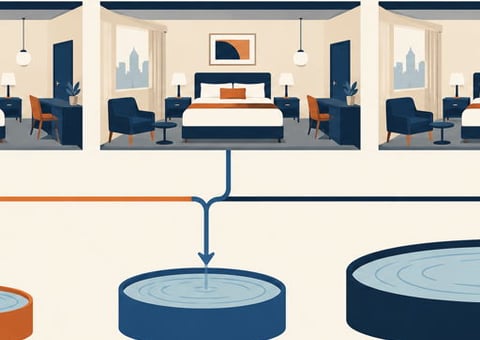
5 Signs Your Resort Operations Are More Inefficient Than You Think
A single system designed to manage your resort’s daily operations can remove the friction, reduce the manual work, and give your team the clarity they need to perform at their best.
 Eleanor
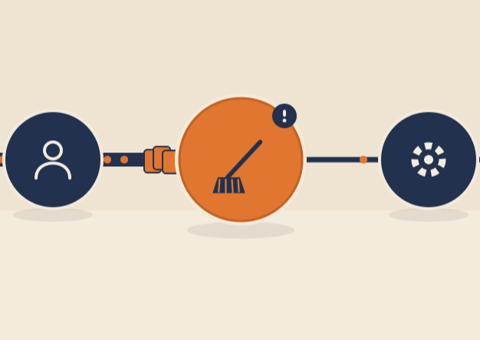
Datos críticos del hotel se encuentran en el chat de tu equipo en dispositivos personales.
Your hotel's most critical operational and guest data is currently sitting on your departing employees' personal phones. Learn why relying on consumer apps is a serious data security risk and how to regain control of your data infrastructure.
 Jordan Hollander

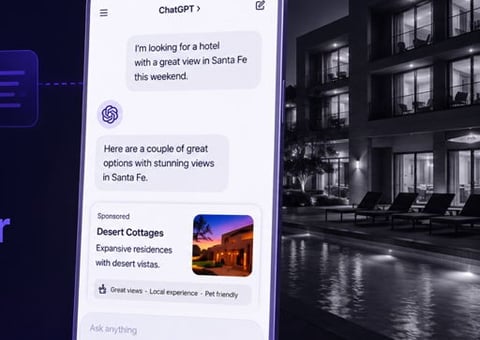
Anuncios de hoteles en ChatGPT: Ya están aquí y las OTA ya tienen la ventaja de ser pioneras.
OpenAI began testing ads in ChatGPT on Feb 9, 2026, showing sponsored placements to Free and Go users only, with paid tiers remaining ad-free. Ads appear below responses, are clearly labeled, and do not influence organic recommendations. Travel is among the first impacted categories as AI reshapes discovery: 56% of travelers used AI last year, and 78% booked based on it. Since ChatGPT returns just a few options, organic inclusion is critical before ads matter.
Jordan Hollander
Informe de Innovación ITB Berlín 2026: La velocidad de decisión se está convirtiendo en una ventaja competitiva para los hoteles
At ITB Berlin 2026, the most notable hotel tech innovation wasn’t any single product category—it was a wave of tools designed to shorten the time between signals (guest inquiries, demand shifts, operational issues) and the decisions hotels make in response.
Hotel Tech Report

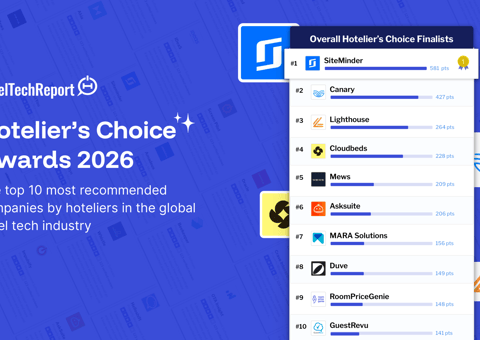
Hotel Tech Report revela a los ganadores de los HotelTechAwards 2026, la clasificación de tecnología hotelera más basada en datos de la industria.
Hotel Tech Report, the global hotel software research platform used by more than 1.5 million hotel technology buyers each year, today announced the winners of the 2026 HotelTechAwards.HotelTechReport’s platform is used by hotel owners, operators, and management companies across the globe, with representation from 100% of the world’s top 10 global hotel chains. Now in its eighth year, the HotelTechAwards have become the industry’s definitive benchmark for evaluating hotel technology, ranking the world’s best software companies and products using verified, real-world customer data not panels, sponsorships, or popularity contests. The Industry’s Most Competitive and Elite Data-Backed Awards ProgramThe 2026 HotelTechAwards evaluated 3,013 hotel technology companies worldwide, with 245 products qualifying for final consideration after meeting strict eligibility and data-quality thresholds.Awards were determined using authentic, timely reviews from verified hotel owners and operators with hands-on experience using each product. Rankings span the entire hotel technology stack, including: Property Management Systems Revenue Management Systems Channel Managers Guest Messaging and Contactless Check-In Hotel Operations, CRM, and Upselling Platforms In addition to category awards, the program recognizes: The 10 Overall Hotelier’s Choice Award winners, honoring the most customer-centric companies in the industry The 10 Best Places to Work in Hotel Tech, recognizing companies with outstanding internal culture as rated by employees Built to Help Hoteliers Cut Through the NoiseAs the hotel technology landscape continues to expand—bringing thousands of software options and increasingly complex buying decisions the role of independent, data-backed validation has become more critical than ever. “We originally created the HotelTechAwards as a democratized way to help hoteliers quickly identify best-of-breed technology partners using data they can trust,” said Jordan Hollander, CEO of Hotel Tech Report.“The scale of competition this year reflects how dramatically the hotel technology market has evolved. Our methodology is simple, transparent, and unbiased built on publicly available data and crowdsourced insights from verified hoteliers with real operational experience.” Industry leaders say that transparency and peer-driven insight are what make the HotelTechAwards especially relevant in a crowded market.“HotelTechReport provides the most transparent, customer feedback-led information that industry professionals can rely on to make confident decisions,” said Sean Fitzpatrick, CEO of Lighthouse. “Hoteliers value being able to share honest, unfiltered feedback with peers in an open forum. The HotelTechAwards surface the very best of those insights, and that’s why hoteliers trust them.”Sankar Narayan, CEO of SiteMinder, added, “Openness is core to what we stand for at SiteMinder, and the HotelTechAwards align perfectly with that value. The program’s data-driven and transparent process sets a clear industry standard for credibility.” 2026 Platform Award WinnersThe HotelTechAwards Platform Awards recognize hotel technology companies building true end-to-end platforms—across e-commerce, operations, and guest experience. These awards honor vendors whose integrated product suites enable hoteliers to execute critical workflows within a single business domain, reflecting the industry’s shift toward holistic platforms as hotel technology buying matures. Winners are evaluated using verified customer data, HTScores across constituent products, and platform interoperability, highlighting companies delivering comprehensive, scalable solutions for modern hotel operations. Best eCommerce Platform: SiteMinder Best Guest Experience Platform: Canary Technologies Best Hotel Operations Platform: hotelkit 2026 Overall Hotelier’s Choice Award WinnersThe 2026 Hotelier’s Choice Awards recognize the 10 most customer-centric hotel technology companies in the world, based entirely on verified hotelier reviews and proprietary performance data from HotelTechReport.com. Part of the annual HotelTechAwards, this distinction compares companies across the entire hotel technology ecosystem—making it the most competitive award in the program. Winners demonstrate sustained customer satisfaction, global adoption, and consistently high likelihood-to-recommend scores, reflecting real-world performance at global scale.The Overall Hotelier’s Choice Awards recognize the most customer-centric hotel technology companies across all categories: SiteMinder Canary Technologies Lighthouse Cloudbeds Mews Asksuite MARA Solutions Duve RoomPriceGenie GuestRevu Learn more about the Hotelier's Choice Award 10 Best Places to Work in Hotel TechThe 2026 Best Places to Work in Hotel Tech recognizes the companies setting the standard for workplace quality in hospitality technology. Based on 3,011 verified employee survey responses, this data-driven list reflects how teams experience leadership, growth, fairness, and direction in practice—not in marketing. As hotel technology becomes core infrastructure for the industry, these organizations stand out for scaling with clarity, trust, and long-term sustainability. RoomPriceGenie Asksuite Cloudbeds Snapfix Actabl Mews Duve Inn-Flow hotelkit Canary Technologies Learn more about the 10 Best Places to Work
Jordan Hollander
Las mejores aplicaciones tecnológicas para hoteles de 2026
Discover the top rated hotel tech products to run & grow your hotel business in 2026 based on real product reviews from verified hoteliers at the world’s leading hotel companies.
Hotel Tech Report
Los 10 mejores lugares para trabajar en tecnología hotelera en 2026
For the 2026 edition of our list, we analyzed survey responses from 3,011 hotel tech professionals across the globe. Respondents rated their employers on key factors that define an exceptional workplace.
Jordan Hollander
Por qué los hoteles deben repensar la inteligencia de tarifas para tomar mejores decisiones
In hospitality, data is supposed to empower decisions. But today, it often does the opposite.From pricing shifts to parity gaps, city-level demand spikes, and competitor benchmarking, hotel commercial teams are surrounded by an avalanche of data. Yet, paradoxically, decision-making is getting slower, not faster. Recent industry data highlights the depth of the problem: 80% of hotels report spending up to two full workdays each week on manual data reconciliation. For many, data has stopped being a competitive edge — and started becoming a full-time job. The Core Challenge: Too Much Data, Too Little ClarityAcross property types and regions, hotel teams echo the same concerns: data is fragmented, sources don’t align, and dashboards keep multiplying. 4 in 5 independent hotels say they can’t adjust pricing quickly enough due to limited visibility and scattered insights. 82% of large chains struggle with managing disconnected platforms and data vendors, leading to missed revenue opportunities. What hotels need isn’t more data — it’s better interpretation. Less dashboard shuffling, more decision clarity. The Shift Toward Actionable IntelligenceAs hospitality evolves, there’s a growing need to move beyond raw numbers and focus on revenue-driving signals.This is where actionable intelligence comes in — the ability to not just report what’s happening, but why it’s happening, and what needs to be done. The idea is to cut through the clutter, surface the most urgent opportunities, and empower teams to act — fast.Imagine being told not just that your competitor changed rates, but that you’re losing market share on high-demand dates due to a price gap. That’s the kind of shift that moves the needle. What the Next Generation of Rate Intelligence Must DeliverThe future of rate intelligence isn’t about flashier dashboards or more granular filters. It’s about helping hoteliers make faster, smarter pricing decisions with confidence.Here’s what that requires: Unified Intelligence: Bringing rate, parity, and demand insights together. Visual Simplicity: Interfaces that prioritize clarity over complexity. Signal Prioritization: Tools that identify the right data at the right time. Contextual Insights: Understanding the “why,” not just the “what.” Hotels that master this shift will free up their teams, act ahead of the market, and unlock real revenue impact — not just reports. A Call to EvolveThis isn’t just a technology conversation. It’s a strategic one. The hospitality industry can’t afford to treat intelligence as a passive resource — it must become an active driver of outcomes.The challenge is no longer access to data. It’s the ability to interpret it and act with confidence.As hotel leaders look to streamline operations and elevate commercial performance, now is the time to ask: Are your teams empowered by your data — or buried under it?
 RateGain

Historias de éxito populares





Obtenga su informe gratuito de analista de IA.
Recomendaciones personalizadas adaptadas a su hotel


