


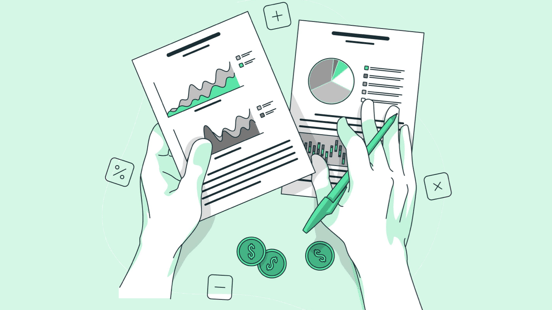
Revenue and other topline metrics might be your top areas of focus, but what about your hotel’s expenses? A hotel’s profit and loss statement, or P&L, goes in-depth on all the operating expenses incurred by different departments. In order to achieve higher profitability, you can either increase topline revenue or reduce costs, and sometimes you can find low-hanging fruit by studying your costs closely. In addition, decreasing costs can lead to more efficient operations and happier guests, especially when you leverage technology and automation. This article will take you on a deep dive into the expense section of your P&L so you can find those opportunities to increase profitability.
Why it's so important to understand the intricacies of your hotel's P&L
Needless to say inflation is running rampant and hotel expenses are rising across everything from labor and wages to build/remodel costs.
Understanding the expenses on a P&L statement is crucial for hoteliers in the hospitality industry to effectively manage their bottom line and maintain profitability. The P&L statement outlines all business expenses, including fixed costs such as property management and variable costs such as labor costs, utility costs, and travel expenses. By closely monitoring expenses, hotel management can identify areas where costs can be streamlined, such as credit card and travel agent commissions, and keep variable expenses under control.
One key metric that hoteliers need to keep an eye on is occupancy rates, which directly impacts hotel revenue. Pricing strategies and revenue management techniques can help optimize revenue from every occupied room. By keeping hotel operating expenses in check, such as payroll-related expenses and management fees, hoteliers can maximize profit margins while ensuring a positive guest experience.
With the help of occupancy sensors and property management systems (PMS), hotel management can accurately measure and forecast occupancy rates and room revenue, enabling them to adjust pricing and staffing levels to meet demand. Human resources and staffing are also essential components in keeping all other hotel operations running smoothly, including the front desk, check-in, and guest services.
By understanding total revenue and total cost, hotel management can make informed decisions about expenditures and reimbursement, such as per diem and travel expenses. Ultimately, keeping a close eye on the P&L statement is key to maintaining a healthy bottom line and ensuring profitability in the competitive hospitality industry.
Rooms Expenses
At most hotels, rooms expenses will be one of the largest cost buckets, since this category includes not only payroll and personnel expenses for rooms team members, but also reservation system fees, travel agent and third-party commissions, and any other expenses associated with rooms and reservations. The rooms department often has the most team members of any hotel department, including front desk agents, night auditors, housekeeping staff, laundry attendants, and managers. Opportunities to reduce rooms expenses abound when you consider technology that can automate tasks and eliminate manual labor. For example, communication tools that automate booking confirmation emails or pre-arrival text messages can save front desk team hours, while AI-powered chatbots can even handle inquiries and answer frequently asked questions.
 Join 100k+ executives from world's leading hotel brands and get the latest insights delivered to your inbox once a week
Food & Beverage Expenses
For full-service hotels with F&B that’s not run by a vendor, F&B expenses can be another big cost on the P&L. The F&B cost bucket includes food costs and beverage costs, plus salaries, wages, and payroll expenses for F&B team members. Margins are generally lower in F&B than in other revenue-producing departments, especially in a market that faces rising food costs, so any opportunities for cost savings can be very beneficial to your bottom line. While food costs are largely out of your control, you can find potential cost savings with technology. Mobile ordering apps make it easy for customers to place their own orders and streamline communication between front- and back-of-house. And cutting-edge systems make it easy for customers to pay using mobile payments and leave tips, while allowing your F&B managers to effortlessly disburse tips and close out at the end of the night.
Other Operating Departments Expenses
Besides F&B, your hotel might have other operating departments, such as spa, golf, or parking. These departments’ expenses appear on the P&L in their own categories or grouped into the “Other Operating Departments” category. These operating departments have payroll expenses and salaries/wages in addition to any other costs associated with operations, such as cost of goods sold (retail, for example) and course maintenance (for golf courses).
Administrative & General Expenses
The Administrative & General category includes salaries and wages for employees who work in departments like security and human resources, plus any applicable payroll expenses. This cost bucket also includes credit card commissions, which are usually applied to all credit card transactions that the hotel processes, such as for reservation payments and restaurant checks.
Information & Telecommunications Expenses
Decades ago, this category of expenses might have just included telephone service fees, but today it’s not uncommon for hotels to incur costs for internet, telephone, in-room entertainment, digital signage, and other software used throughout the hotel. As your hotel adds more technology, your IT expense line item might grow, but it’s worth noting that this technology is likely reducing costs somewhere else on your P&L. For example, if you switch to a digital signage vendor, then you don’t need to incur personnel costs for the hours an employee would have spent updating your non-digital signage manually.
Property Operations & Maintenance Expenses
Maintenance and facilities expenses fall into this cost bucket, which includes salaries, wages, and payroll expenses in addition to any other relevant expenses, like replacement parts or vendors who perform services like alarm testing or deep carpet cleaning. It’s possible to reduce property and maintenance costs by leveraging a building management system that will help you keep tabs on the lifecycle of appliances and lightbulbs so you can proactively perform replacement and ensure you have the necessary stock of parts when you need them.
Sales & Marketing Expenses
Like other cost buckets, sales and marketing expenses include salaries, wages, and payroll expenses that apply to your sales and marketing team members. But this cost bucket also includes franchise fees, if your hotel is a franchise, and loyalty program fees if your hotel is affiliated with a third-party loyalty program. Other sales and marketing expenses could include advertising spend, conference or event attendance fees, and marketing collateral costs. Technology can be a real asset to the sales and marketing team and can help to reduce costs. A modern cloud-based event management system can reduce the time necessary to draw up contracts and create BEOs, while inexpensive web apps like Canva can help you create marketing collateral for a fraction of the price you might pay to a graphic designer.
Utility Costs
Like in your own home, your hotel incurs utility fees: electric, gas, water, sewer, and trash removal all fall into the utility cost bucket. Utilities are essential to running your hotel, so how can you reduce these costs? A building management system will give you insight into how much energy your hotel is using so you can find opportunities to reduce your utility use, which will subsequently reduce your utility costs. For example, if some areas of your hotel are not used during certain times of the day (like your back office space overnight), then you can schedule the lights and HVAC in those areas to turn off when they’re not necessary.
How will you start to reduce costs at your hotel? Which expense bucket presents the largest opportunity for savings at your property? Thanks to modern technology and automation, you can shave off personnel costs and operating expenses when you leverage systems that allow your team members to focus on what technology cannot do: building personal relationships with guests and delivering great hospitality.