


Planning and designing a commercial restaurant kitchen is no cakewalk. Whether you want to build it from scratch or just renovate the space, there are a lot of things to consider, from the size and configuration to the equipment and plumbing.
The goal, of course, is to put together a kitchen that matches restaurant needs and delivers the best possible experience to your guests. Here is a guide that will make your life easier and help you put practical tips and ideas to good use.
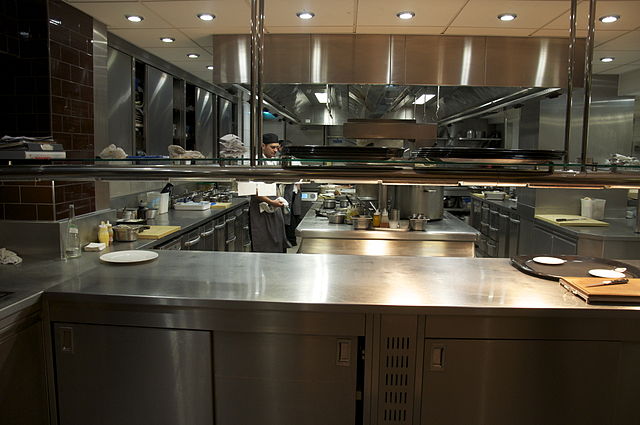
All systems go
Functionality is, hands down, a chief priority, and planning ahead of time is the only way to make it happen. Right from the get-go, take into account your menu and all the dishes your hotel restaurant offers. This aspect will heavily influence you design and purchase decisions down the road.
Furthermore, assemble a team for kitchen design and listen to what people who have worked in these spaces have to say. Consult your chef and ask a professional designer for advice. Evaluate if it is necessary to change the core installations such as water supply and drainage as well as the electrical system. Depending on this, you may have to hire electricians, plumbers, builders, and other contractors.
Just make sure to communicate your vision clearly to avoid any unpleasant surprises and major setbacks. It is advisable to seek multiple opinions, especially if the first one you received rings hollow.
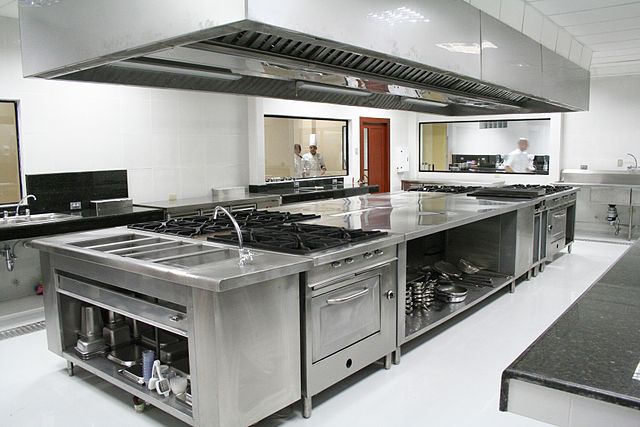
Staples of good kitchen design
Your design choices must be aligned with the main principles of good kitchen design. They apply regardless of the size, the layout of the space or your preferences and budget. Then again, size is an important element, so let us address it fist.
The rule is actually quite simple: The size of the kitchen must reflect the size of the restaurant, or to be more precise, the number of seats in it. In general, there is a ratio of capacity and size that can help you make the call. Every seat in the restaurant calls for 5 square feet in the kitchen. Hence, a restaurant that has 50 seats should have a kitchen that occupies an area of 250 square feet.
One other thing to take into account is the ease of maintenance. The materials and finishes you opt for as well as the arrangement of the equipment determine the maintenance requirements.

Tooling up
Next, it is time to assess the needs in terms of equipment. This stage of deliberation revolves around the process of the preparation of food and everything that is necessary to see it through. At the same time, you have to think about the deployment of people and their daily work patterns. A good kitchen design supports staff habits and facilitates the flow of traffic throughout the space.
This is to say you have to adhere to ergonomic design, which minimizes the waste of time and reduces the risk of injuries and accidents. Therefore, think twice before buying and placing equipment.
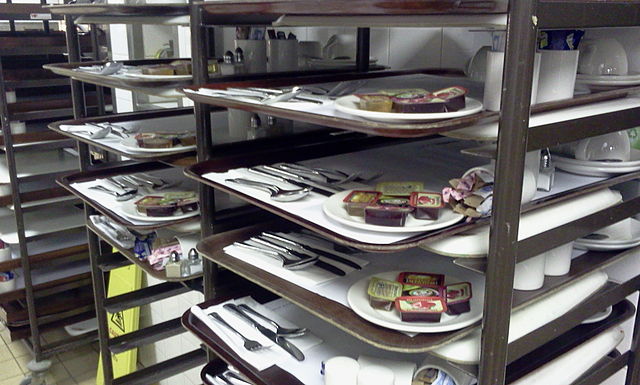
Appliances and configuration
Note that saving money on major appliances, such as refrigerators, freezers and dishwashers is not advisable for more than one reason.
First off, the equipment must not fail to meet health and safety standards. The presence of steam and smoke make quality ventilation an absolute must, so don?t skimp on it. Secondly, not all appliances are the same, and some of them come with gadgets that allow chefs to work their culinary magic.
In addition, there are some other benefits of buying top-notch appliances. For instance, the new generation of Maytag dishwashers provides outstanding performance, but also high-energy efficiency. This means that in the long-term, you actually have a chance to trim your utility bills considerably.
Moreover, design always has a great impact on energy consumption. Buying Energy Star rated appliances is not the only way to do it. Namely, the placement of the equipment also plays a role: If you put the cookers in one location, you can reduce the energy costs for range hoods.
In any event, you have to create a functional and flexible space with different work zones. There are four basic configurations of restaurant kitchens and all of them can do the trick: an assembly line, ergonomic kitchen, island-style, and zone-style configuration. They all have their pros and cons, so weight them in carefully.
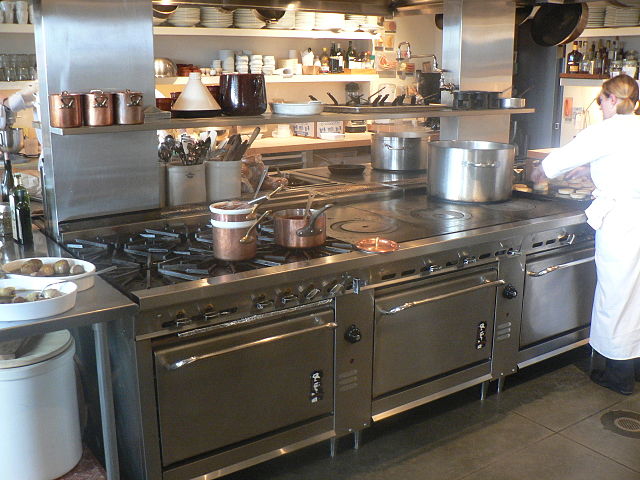
Success by design
To complete your project with flying colors, do your homework. Soak in feedback from people who have experience in designing or working in kitchens. Find a way to implement their input and your ideas into action. Measure twice and cut once.
Ensuring the maximum utilization of the kitchen space will help you meet all needs of a fully-fledged hotel restaurant. You should be able to empower your staff to enjoy the work and be at their best. This will certainly have an impact on the food quality and service, and ultimately, the success and popularity of your hotel.