



A digital concierge, also called a virtual concierge, answers guest questions and takes guest requests around the clock without a phone call or a walk to the lobby. Requests land with the right team, simple questions get answered automatically, and the hotel gets a channel to offer late checkout, spa time and dinner reservations at the moment a guest wants them.
This guide covers what a hotel digital concierge does, how AI has changed virtual concierge services, the top-rated digital concierge software in HTR's rankings by channel, how vendors price it, and a checklist for choosing one. Every vendor named here comes from HTR's live rankings, which are built from verified hotelier reviews.
What is a hotel digital concierge?
A hotel digital concierge is a guest-facing system that handles the requests and questions a human concierge or front desk agent would otherwise field. Guests reach it through a web app opened from a QR code or link, a native hotel app, text messaging or WhatsApp, a guestroom tablet, or the in-room TV. Behind the scenes it routes each request to housekeeping, engineering, food and beverage or the front desk, and tracks it until it is done.
The terms overlap. "Digital concierge" and "virtual concierge" usually mean the same thing. "Smart concierge" and "AI concierge" describe versions that answer in natural language instead of from a fixed menu. A digital concierge does not replace the concierge desk at a full-service hotel: it takes the repetitive questions so staff spend their time on the requests that need a person.
For the role itself, see what a hotel concierge does.
 Join 100k+ executives from world's leading hotel brands and get the latest insights delivered to your inbox once a week
Digital concierge services: what guests can do
Before arrival
Read the property guide: parking, Wi-Fi, breakfast hours, pool and gym rules.
Request early check-in, airport transfers or special occasion setups.
Book restaurant tables, spa treatments and tours.
During the stay
Order room service and request housekeeping, extra amenities or maintenance.
Message the front desk in the guest's own language.
Get local recommendations and directions.
Buy add-ons such as late checkout, room upgrades and experiences, posted to the folio.
After checkout
View and download the folio.
Leave feedback and get a review prompt.
Each of these replaces a phone call or a line at the desk. For the hotel, the same channel doubles as a place to sell: guests see offers when they are deciding what to do next.
Hotel Digital Concierge Apps Shortlist
Here are 10 of the top Hotel Digital Concierge Apps that are covered in this article:
Virtual concierge vs AI concierge: how the technology has changed
Early virtual concierge services were digital compendiums: a menu of buttons and pages that replaced the binder in the room. Guests tapped through categories and submitted forms. They still work well for property information and simple orders.
AI concierges answer free-text questions over chat, text messaging, WhatsApp, webchat and, increasingly, voice. They pull answers from the hotel's own knowledge base, take actions such as booking a table or adding late checkout, and hand the conversation to staff when the request is complex or the guest is unhappy. The best ones log every conversation so managers can see what guests ask most and fix the gaps.
Two questions separate AI concierge tools when you evaluate them: can it take an action inside your systems (post to the folio, create a housekeeping task, book a slot), and how cleanly does it escalate to a human? An AI concierge for hotels that only answers questions is a chatbot; one that completes the request is a concierge.
Top-rated hotel concierge software in HTR's rankings
These are the top three products in HTR's current concierge software rankings (Q3 2026 ranking period). HT Score is HTR's 0 to 100 rating built from verified hotelier reviews; review counts and recommend rates are as of November 16, 2026.
Rank | Product | HT Score | Verified reviews | Would recommend |
|---|---|---|---|---|
1 | 100 | 745 | 93% | |
2 | 91 | 218 | 99% | |
3 | 83 | 26 | 100% |
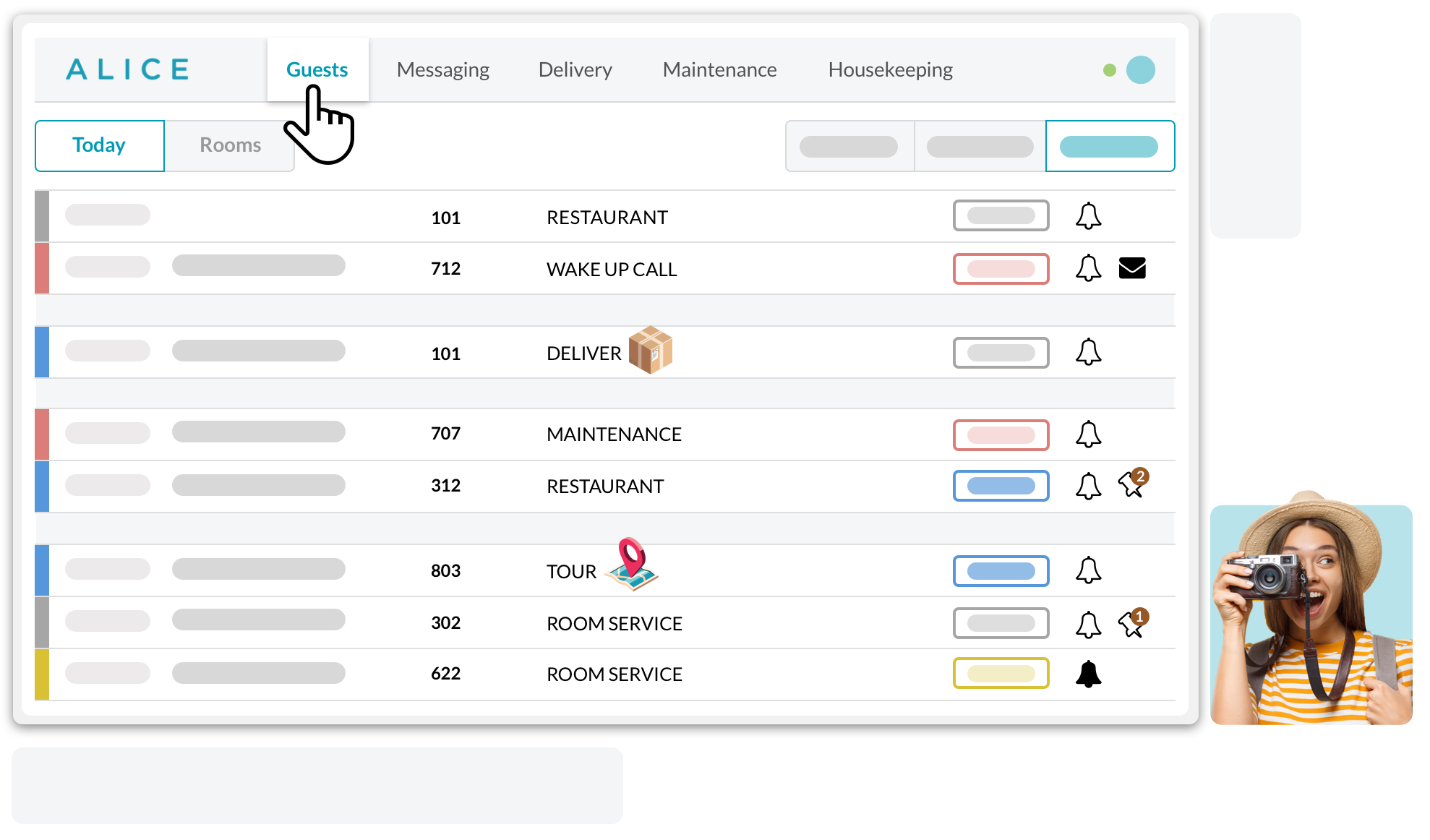
ALICE is built for full-service hotels and resorts that run a concierge desk and need every guest request logged, routed and tracked across departments. Eleanor and Flexkeeping focus on automating the operational side of requests. For the full list, filters by hotel type and side-by-side comparisons, see HTR's concierge software page and its virtual concierge software list.
Best digital concierge software by channel
Most hotels deliver a digital concierge through the system they already use to talk to guests. The next sections cover each channel with the top three products in HTR's current rankings for it.
Digital concierge on in-room tablets
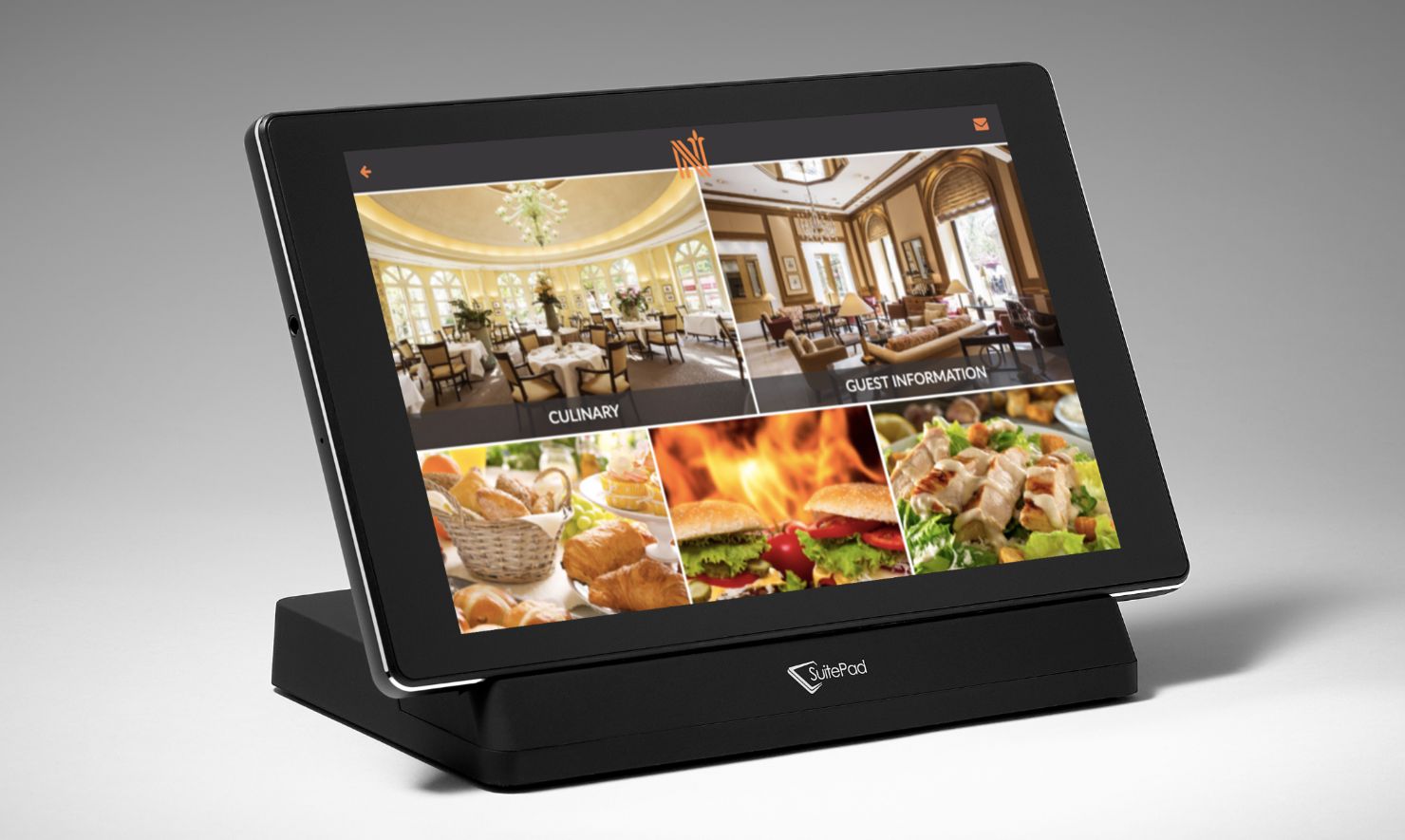
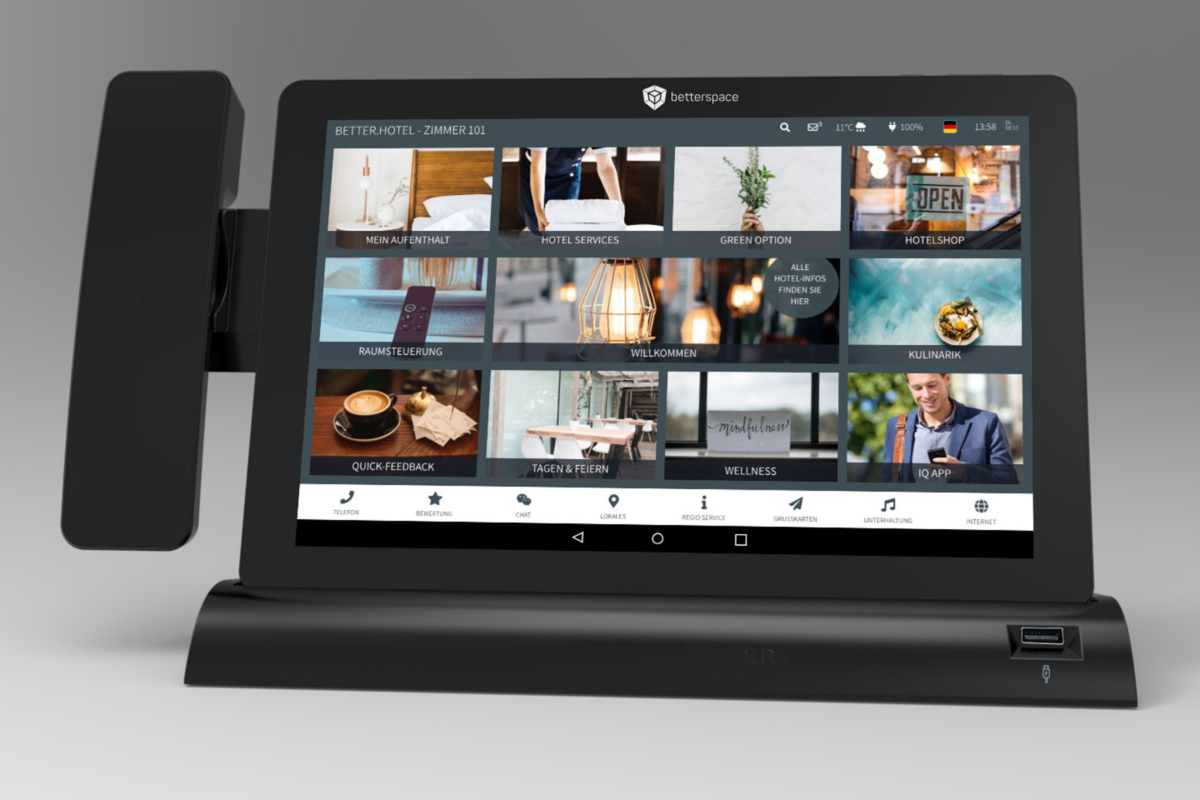
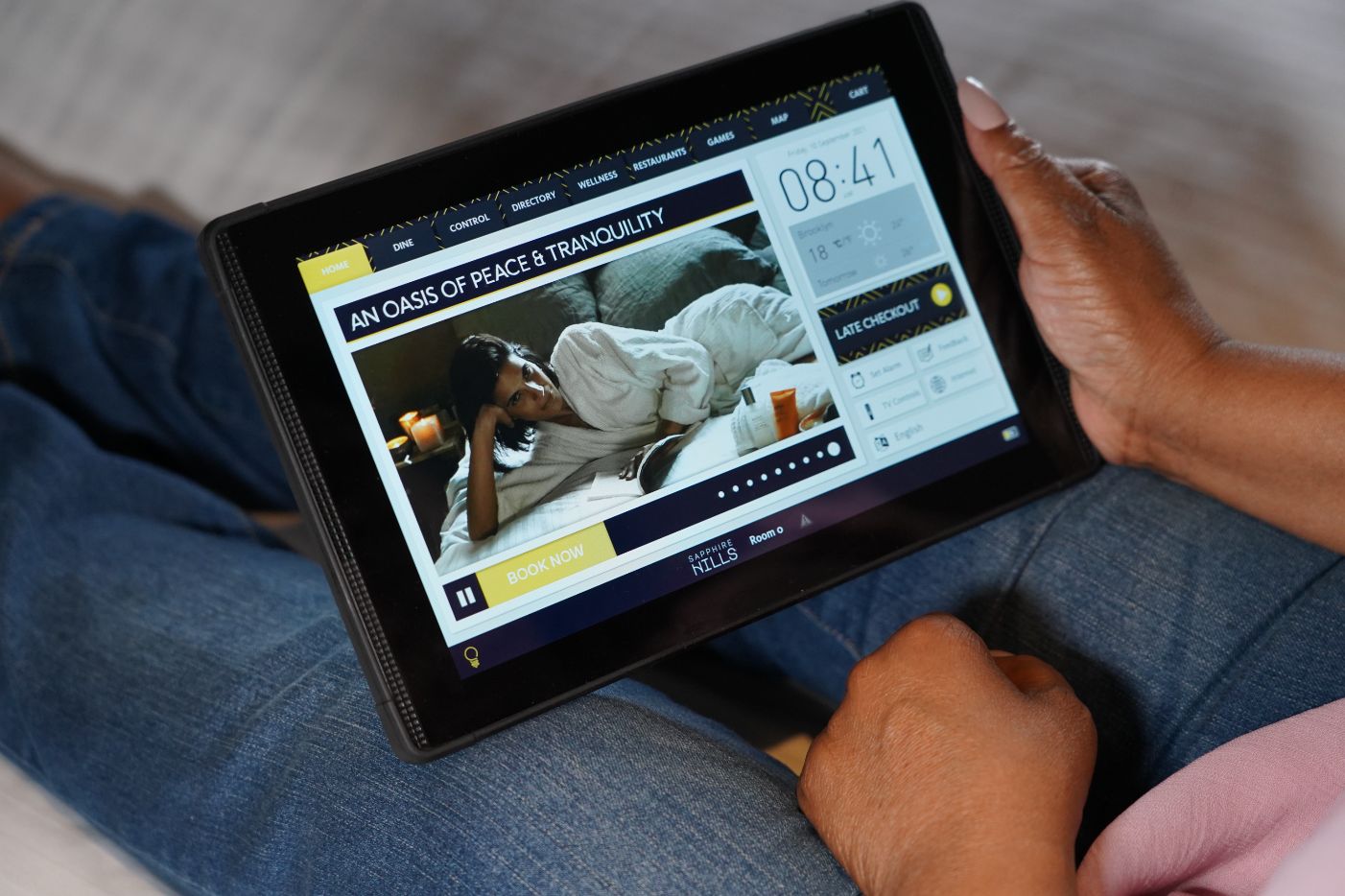
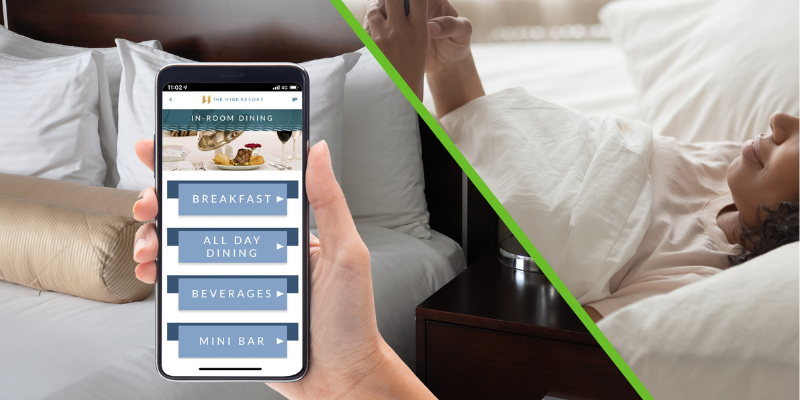
In HTR's in-room hotel tablets rankings: SuitePad (HT Score 100), Crave Interactive Tablets (89) and Volo (87). Tablets suit luxury and resort properties that want a concierge in every room without asking guests to use their own phone: guests browse hotel information, book restaurant tables, order room service and send the folio to their inbox from the device on the nightstand.
 HT Score

Learn More

 ×
 HT Score
Learn More

 ×
 HT Score
Learn More

 ×
Digital concierge via guest messaging (text, WhatsApp, webchat)
In HTR's guest messaging software rankings: Canary Messages (HT Score 100), Duve Communication Hub (98) and Unified Inbox by Bookboost (90). Messaging is the best fit when guests already text the hotel and you want one inbox with AI answers to routine questions and a clean handoff to staff for the rest.
AI chatbots on the hotel website
In HTR's hotel chatbots rankings: Asksuite AI Reservation Assistant (100), Canary AI Webchat (99) and HiJiffy Hotel Chatbot (97). Website chatbots answer pre-arrival questions and turn them into direct bookings before the guest ever reaches the property.
 HT Score
Learn More

 ×
 HT Score
Learn More

 ×
Digital concierge in hotel guest apps
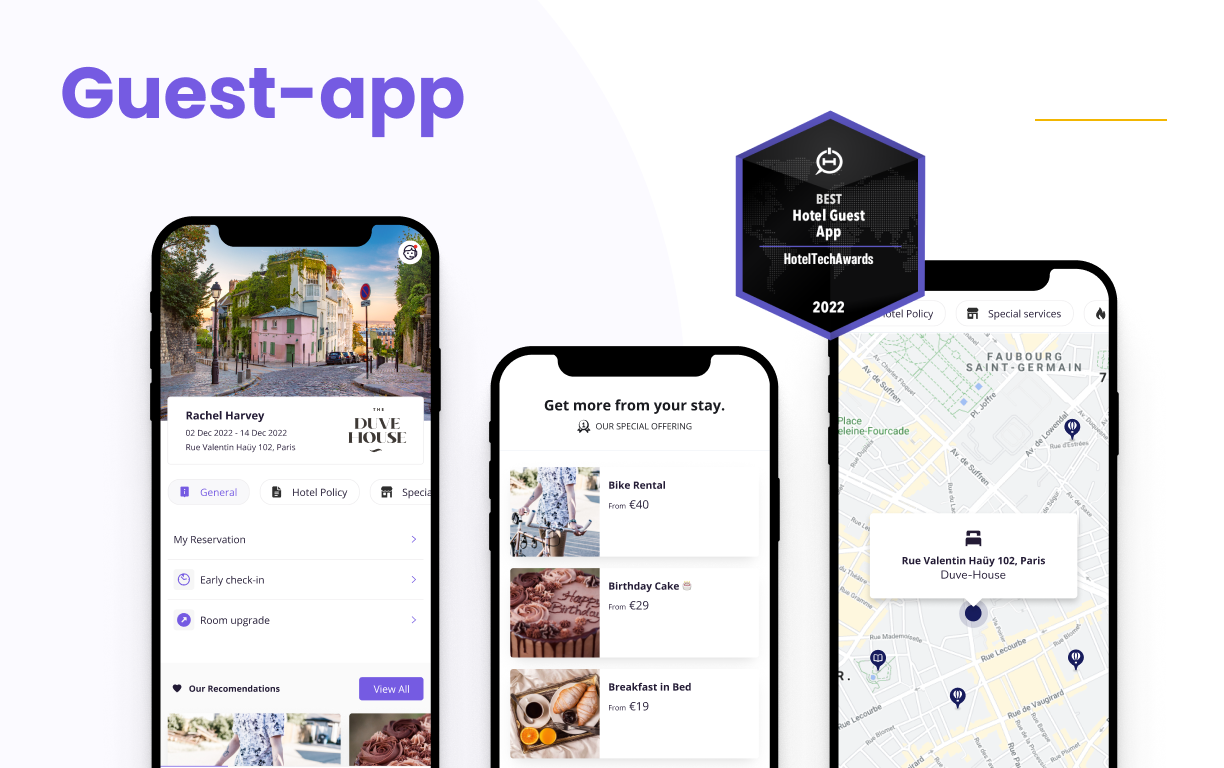
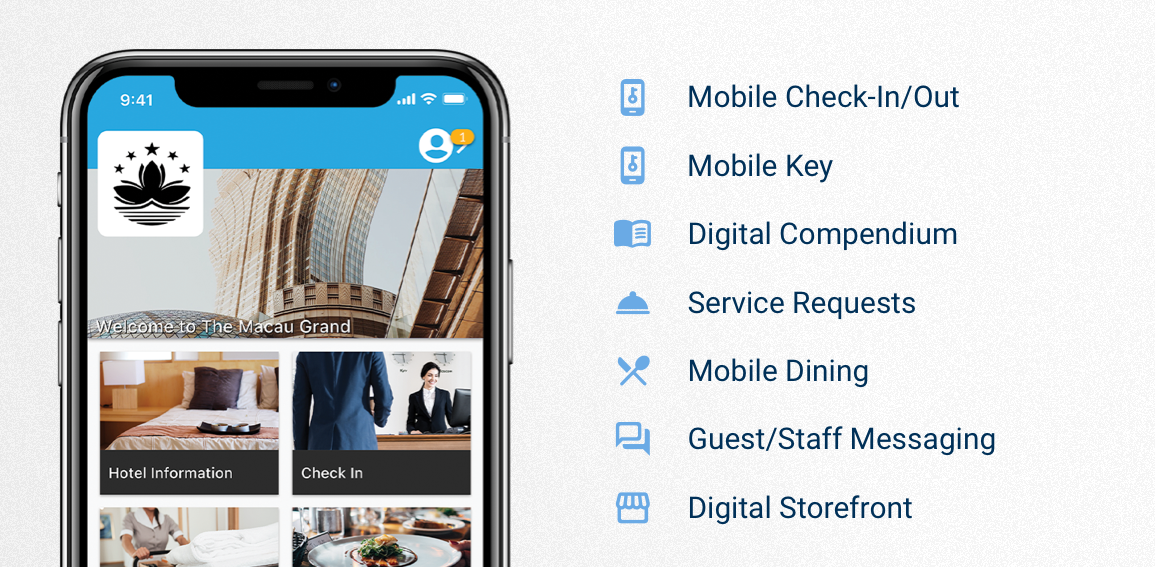
In HTR's hotel guest apps rankings: Duve App (HT Score 100), Guestnet (97) and Gastfreund (83). A guest app is the best fit when you want a branded digital guest directory, ordering and upsells in one place. Web apps opened from a QR code reach more guests than apps that need a download.
 HT Score
Learn More

 ×
 HT Score
Learn More

 ×
 HT Score
Learn More
 ×
Contactless check-in
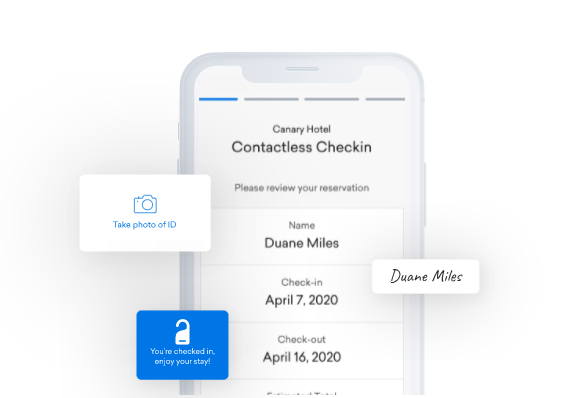
Mobile check-in software is often the first touchpoint of a digital concierge. Guests confirm their details, sign the registration card and pay before arrival, and the same flow can offer airport transfers, early check-in, breakfast and room upgrades. After check-in, the guest moves to the app or messaging thread for the rest of the stay, so the two should share one guest profile.
 HT Score
Learn More

 ×
HT Score
Learn More
×
Digital concierge on hospitality TV
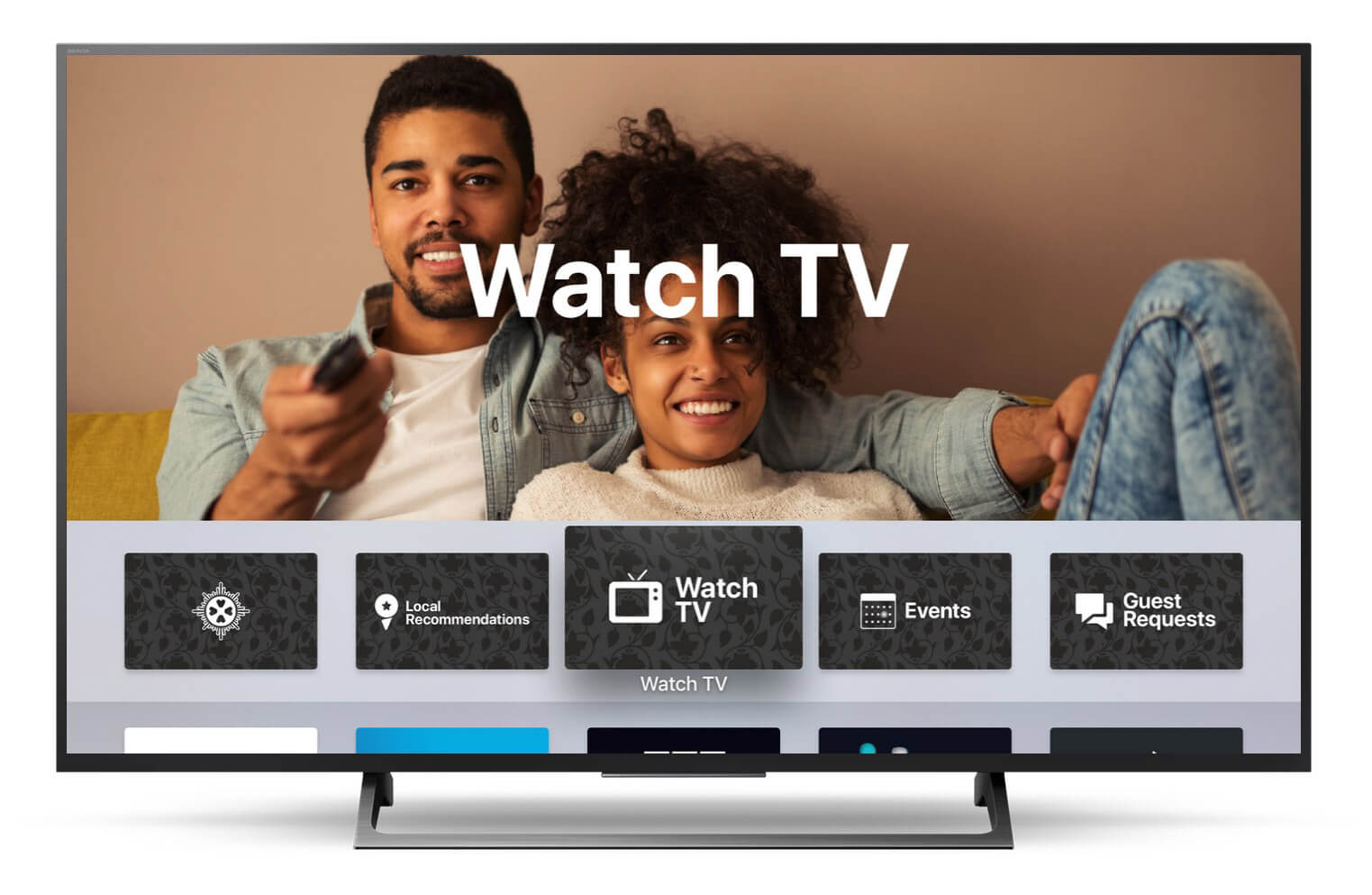
Hospitality TV systems put the digital concierge on the screen already in every room: property information, room service menus, special offers, messages from the front desk and housekeeping or late checkout requests. They suit hotels replacing their TV system anyway, since the concierge content runs on hardware the room already needs.
 HT Score
Learn More

 ×
Which digital concierge fits your hotel
Small hotels and independents: start with a web-based digital concierge opened from a QR code at check-in and in the room, paired with text messaging. No download, no hardware, and staff answer from one inbox.
Full-service hotels and resorts: put request routing and tracking first. A concierge desk system that assigns tasks to departments matters more than the guest-facing screen.
Luxury properties: in-room tablets or TV interfaces keep the experience inside the room and on brand.
High message volume: an AI concierge that answers routine questions and takes simple actions frees the front desk at check-in peaks.
How much does digital concierge software cost?
Vendors rarely publish prices, and quotes depend on room count, channels and modules. The common pricing models:
Per room per month: the most common model for guest apps, messaging and AI concierges.
Per property subscription: a flat monthly fee, often tiered by features or message volume.
Setup and onboarding fees: for building the content, branding the app and connecting the PMS.
Hardware: in-room tablets add device purchase or leasing, mounts and replacements on top of software.
Usage-based AI: some AI concierges charge by conversation or message volume.
Ask every vendor for the all-in cost per occupied room over 12 months, including setup, integrations and hardware, and for the upsell revenue similar hotels earn through the platform.
How to choose digital concierge software: checklist
PMS integration: two-way, so guest names, stays and folio charges sync without re-keying.
POS and service integrations: room service, spa and restaurant orders reach the right system.
Channels: web app, native app, SMS, WhatsApp, webchat, tablets or TV, matched to how your guests already reach you.
AI with escalation: answers from your own content, takes actions, and hands off to staff with the full conversation.
Languages: automatic translation in both directions.
Upsells: offers by stay stage, with charges posted to the folio.
Task routing: requests become tasks for housekeeping, engineering and F&B, with timestamps.
Reporting: request volume, response times, top questions and upsell revenue.
Security: PCI compliance for payments and GDPR-ready data handling.
Reviews from hotels like yours: filter HTR reviews by hotel type and size before you shortlist.
Implementing a hotel digital concierge
Connect the PMS first. Without it, staff re-enter requests and charges by hand.
Load your content. Hours, menus, policies, local recommendations and answers to the questions the front desk hears most.
Start with high-volume, simple requests. Towels, Wi-Fi, checkout times. Add bookings and upsells once routing works.
Train staff on the handoff. Decide who owns the inbox on each shift.
Promote it. QR codes at check-in, in the room and in the pre-arrival email. Guests use what they see.
Review the logs monthly. Unanswered questions show where the content or the service has gaps.
Hotel digital concierge FAQ
What is a digital concierge?
A digital concierge is software that lets hotel guests ask questions and make requests from their phone, an in-room tablet or the TV, instead of calling or visiting the front desk. It routes each request to the right team and can sell add-ons such as late checkout.
Is a virtual concierge the same as a digital concierge?
Yes. Hotels and vendors use virtual concierge and digital concierge for the same thing. AI concierge describes a version that answers in natural language and can take actions.
Does a digital concierge use AI?
Many now do. AI concierges answer free-text questions over chat, messaging and voice from the hotel's own content and hand complex requests to staff. Menu-based digital concierges without AI still work well for property information and simple orders.
Which hotel software platforms include a digital concierge?
Digital concierge features sit in concierge software, guest messaging platforms, hotel guest apps, in-room tablets and hospitality TV systems. In HTR's current rankings the top concierge software is ALICE Guest Services by Actabl, the top guest messaging software is Canary Messages and the top guest app is Duve App.
How can independent hotels offer a modern digital concierge?
Use a web-based guest app opened from a QR code plus text messaging with AI answers. Neither needs hardware or a download, and both connect to most cloud PMSs.
How much does a hotel digital concierge cost?
Most vendors charge per room per month or a flat property subscription, plus setup fees; tablets add hardware costs. Prices are usually quote-based, so compare the all-in cost per occupied room over a year.
Is a digital concierge the same as a hotel guest app?
A guest app is one way to deliver a digital concierge. The same services can run through text messaging, a website chatbot, in-room tablets or the TV.