


Every year, the halls of ITB Berlin fill with hundreds of product announcements promising to make hotels smarter, faster, and more efficient. This year was no different. Artificial intelligence showed up in nearly every pitch, and automation was positioned as the answer to everything from pricing to guest messaging.
Taken individually, most launches look incremental. Taken together, they reveal how the role of hotel software is evolving.
For the past two decades, hospitality technology has largely followed the traditional SaaS model: systems organized information, recorded transactions, and helped teams manage workflows. The innovations emerging now increasingly move a step further. Many tools are designed to interpret signals and help hotels act faster when opportunities appear—whether that means responding to a meeting inquiry, adjusting pricing, resolving a guest issue, or converting demand into a direct booking.
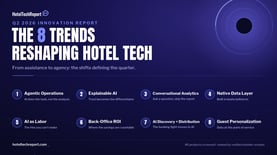
To help operators cut through the noise, the team at HotelTechReport reviewed dozens of product launches announced at ITB Berlin and analyzed where vendors are concentrating their innovation.
Several patterns stand out. Many new tools focus on reducing the time between inquiries and responses, particularly in areas like group sales and guest messaging. Revenue management platforms are embedding demand intelligence directly into operational systems so pricing decisions happen faster. And booking infrastructure is expanding into new environments, including social feeds and conversational interfaces, allowing travelers to move from discovery to reservation with fewer steps.
Below is a breakdown of the most notable innovations, organized by the hotel departments where these technologies are likely to have the biggest impact.
Operations: Automating the Administrative Layer of Hotel Work
Hotel operations involve an enormous amount of coordination work.
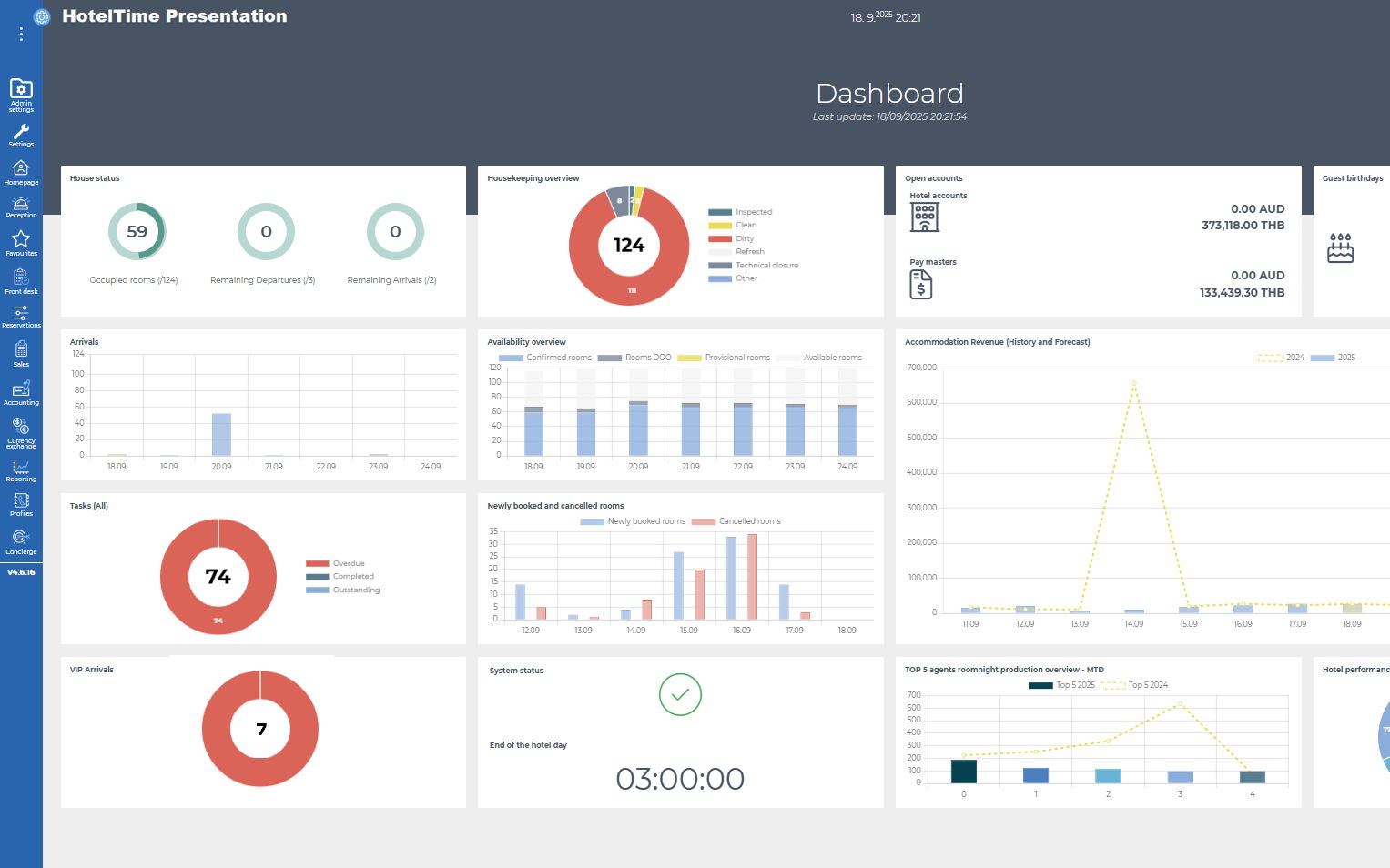
Staff respond to guest questions, route housekeeping and maintenance requests, reconcile reservations across systems, process invoices, and interpret internal procedures. Each task may seem small, but collectively they represent a large portion of the daily workload inside hotels.
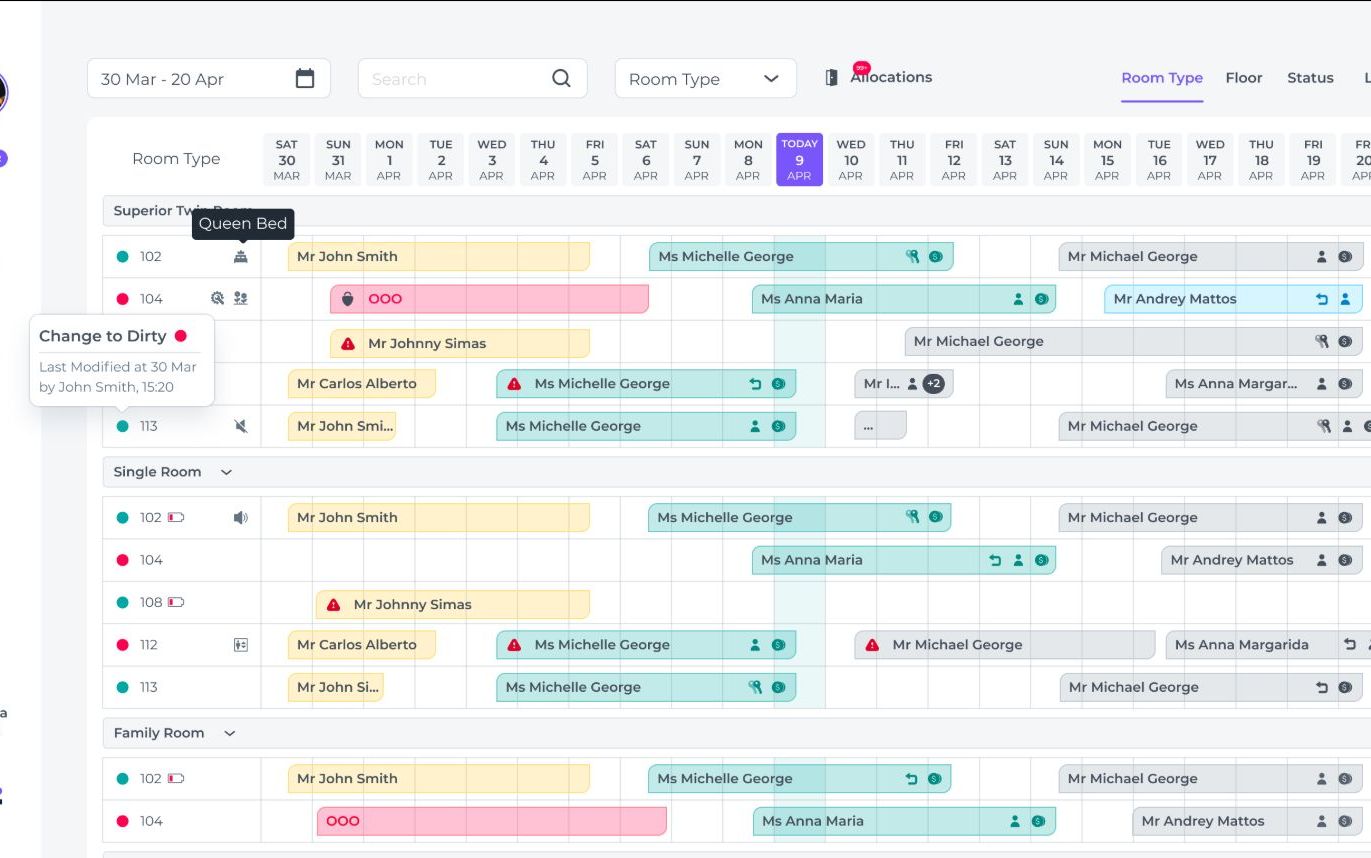
Many of the operational innovations introduced at ITB Berlin focus on automating this administrative layer.
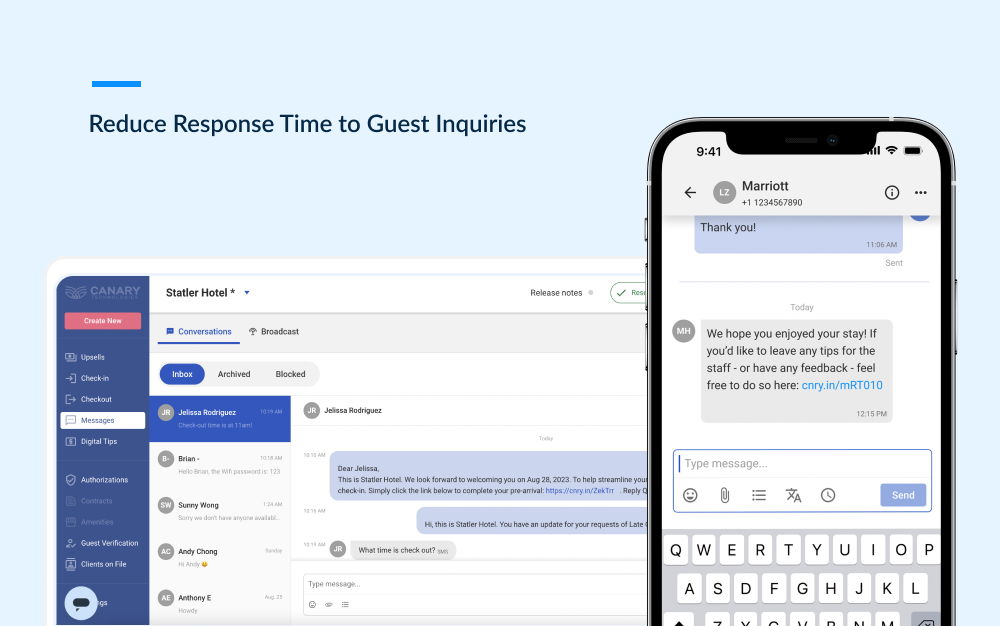
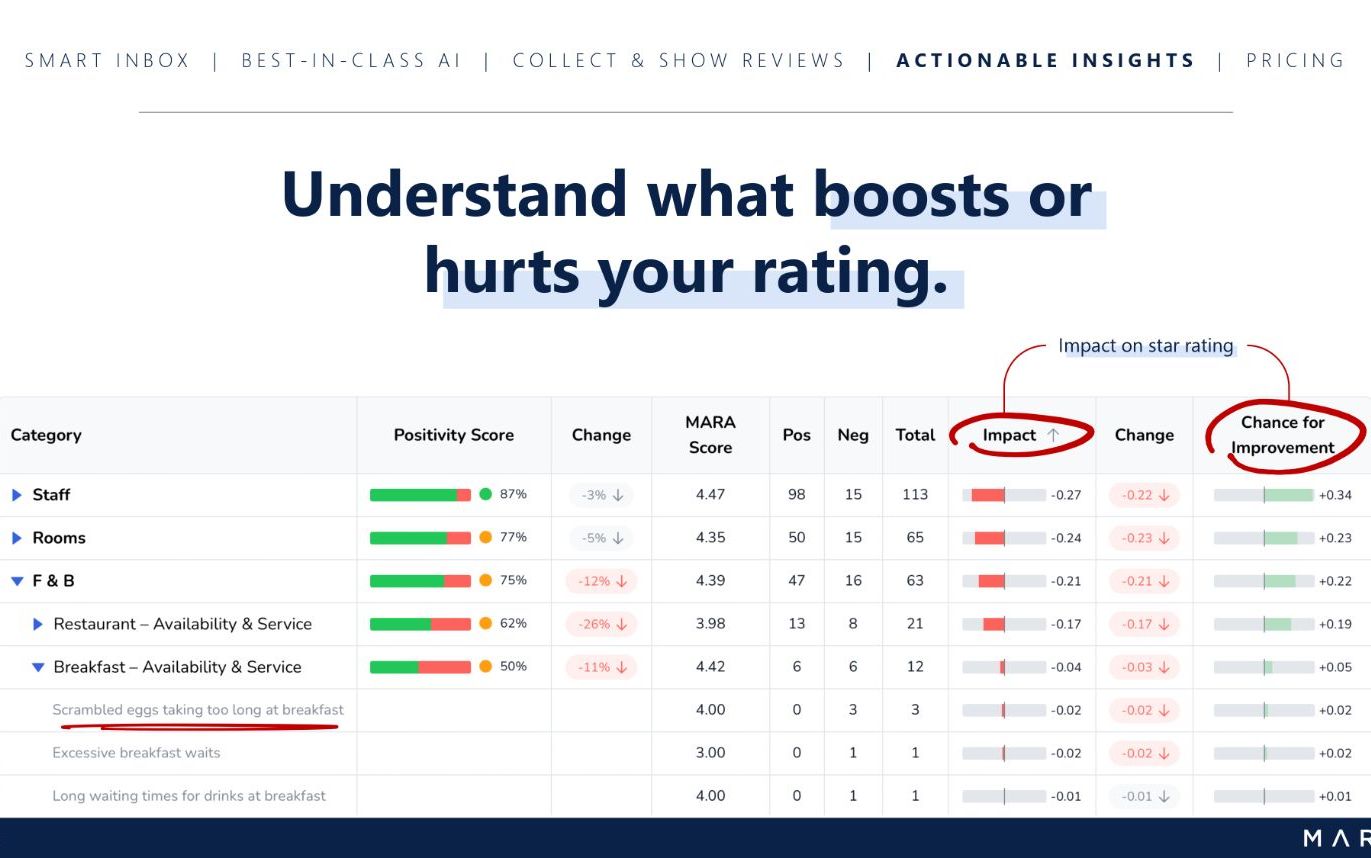
Some tools translate guest feedback directly into operational tasks such as housekeeping or maintenance requests. Others provide staff with instant answers to internal questions by pulling information from manuals and procedures. Financial systems automate billing and payment workflows. Guest-facing technologies reduce the need for routine front desk interactions.
The goal is not to eliminate staff roles. It is to reduce the amount of time teams spend coordinating routine processes so they can focus on service delivery and guest interaction.
For operators managing properties with lean teams, these tools provide a way to maintain operational consistency while reducing manual workload.
 HT Score

Learn More

 ×
×
 HT Score
Learn More

 ×
×
 HT Score
Learn More

 ×
×
 HT Score
Learn More

 ×
×
 HT Score
Learn More

 ×
×
 HT Score
Learn More

 ×
×
 HT Score
Learn More

 ×
×
 HT Score
Learn More

 ×
×
 HT Score
Learn More

 ×
×
 Join 100k+ executives from world's leading hotel brands and get the latest insights delivered to your inbox once a week
Revenue Management: Continuous Pricing Intelligence
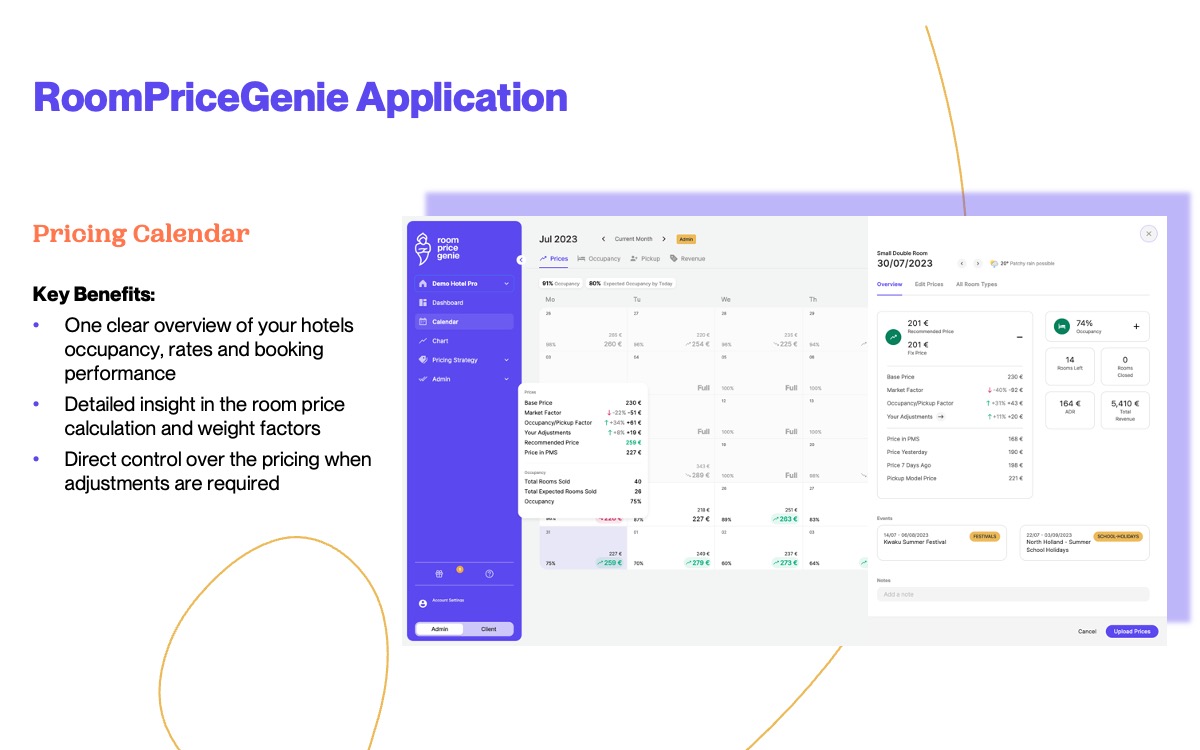
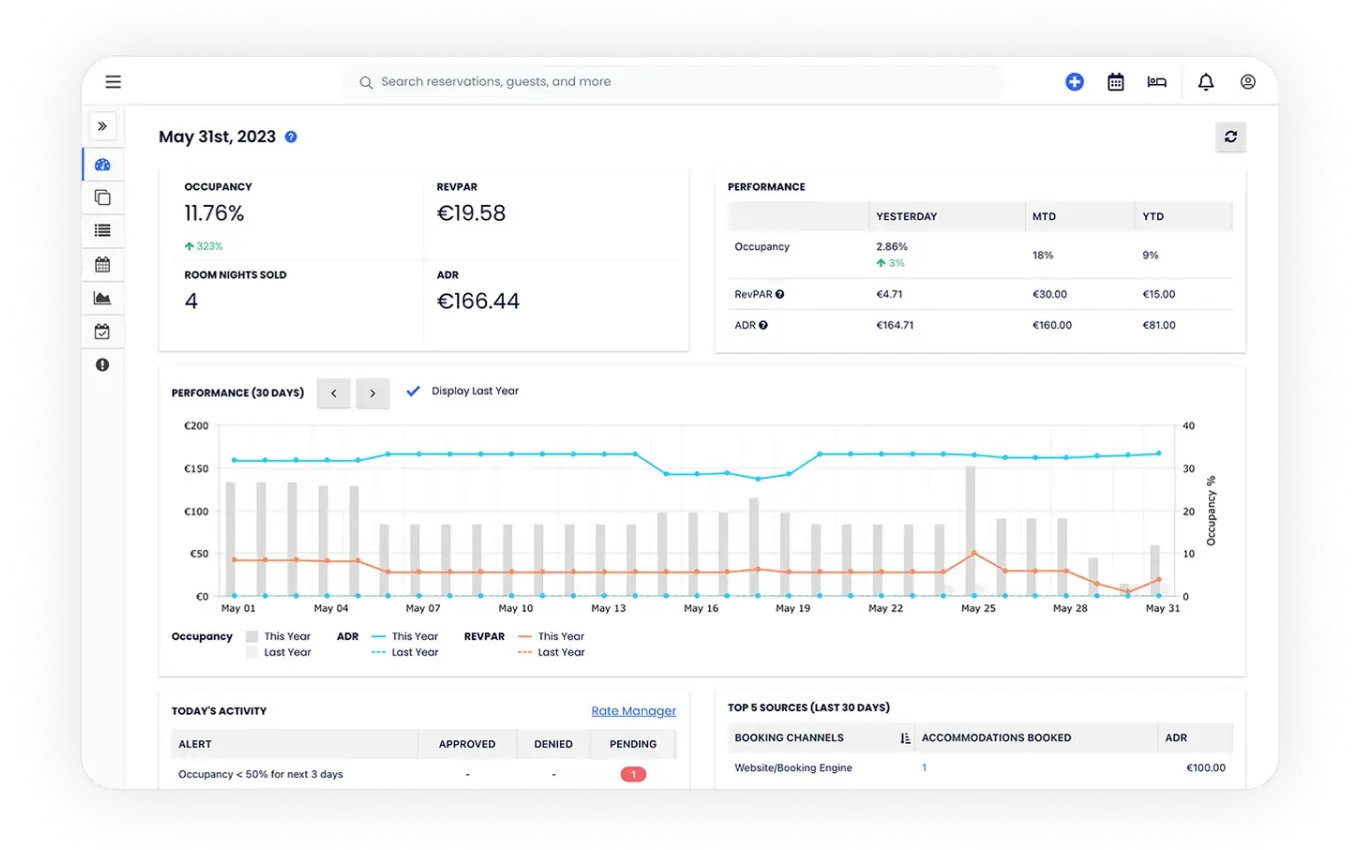
Revenue management technology has long focused on forecasting demand and recommending pricing adjustments. Historically, those insights were delivered through reports that revenue managers reviewed before updating rates.
The newest tools presented at ITB Berlin move those signals closer to the moment where pricing decisions occur.
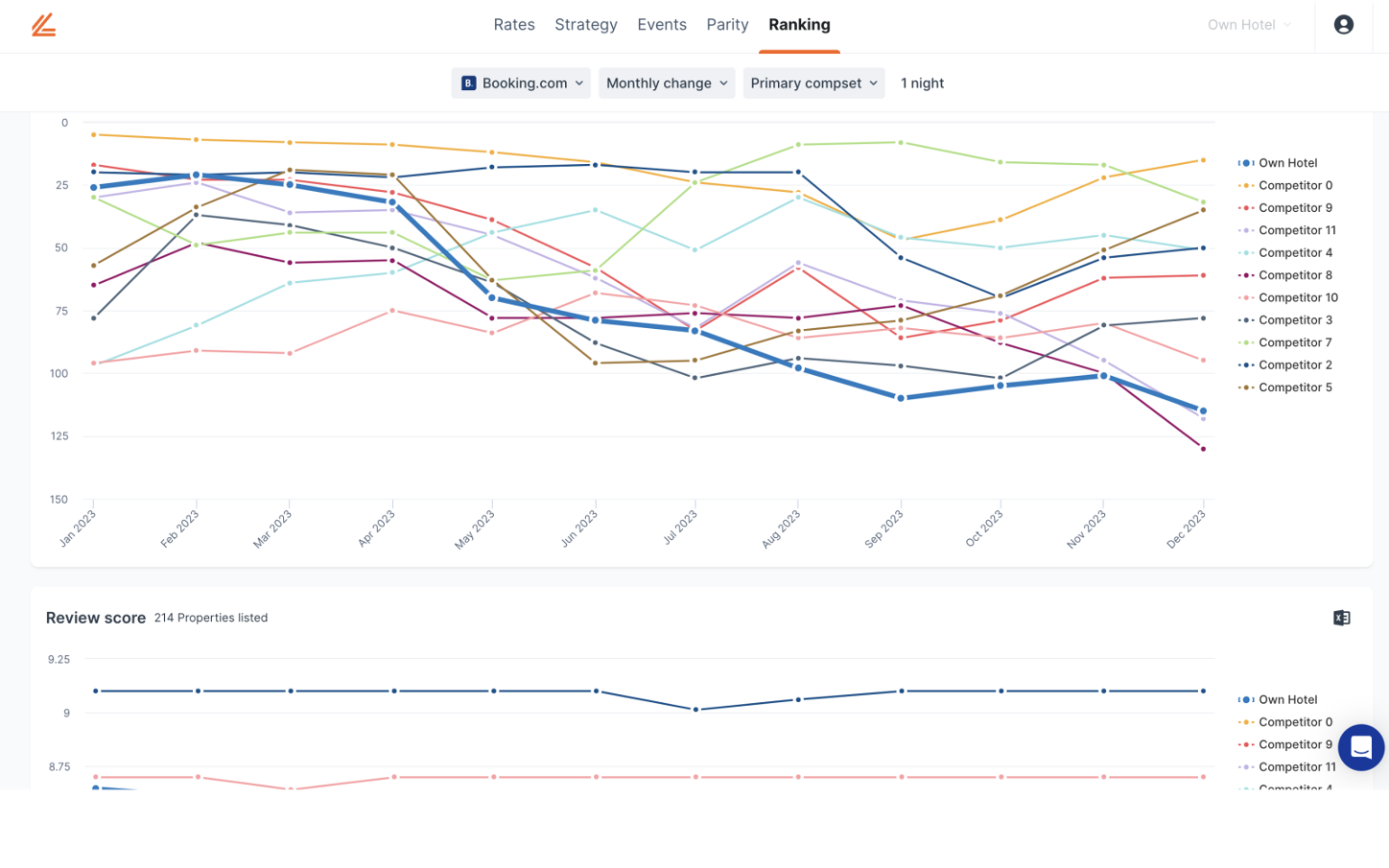
Instead of periodic analysis cycles, many systems now evaluate demand conditions continuously. They analyze competitor pricing, booking pace, market demand signals, and guest behavior to identify opportunities to influence demand.
Some platforms surface daily signals indicating when marketing campaigns are most likely to convert. Others embed pricing recommendations directly inside operational systems where staff already manage reservations and rates.
The result is a workflow where pricing insights appear faster and are easier to act upon.
For operators managing multiple properties, this reduces the reliance on manual analysis while enabling faster responses to shifting demand conditions.
 HT Score
Learn More

 ×
×
 HT Score
Learn More
 ×
×
 HT Score
Learn More

 ×
×
 HT Score
Learn More

 ×
×
Marketing: Capturing Demand Where Discovery Happens
The guest discovery journey is expanding across new channels.
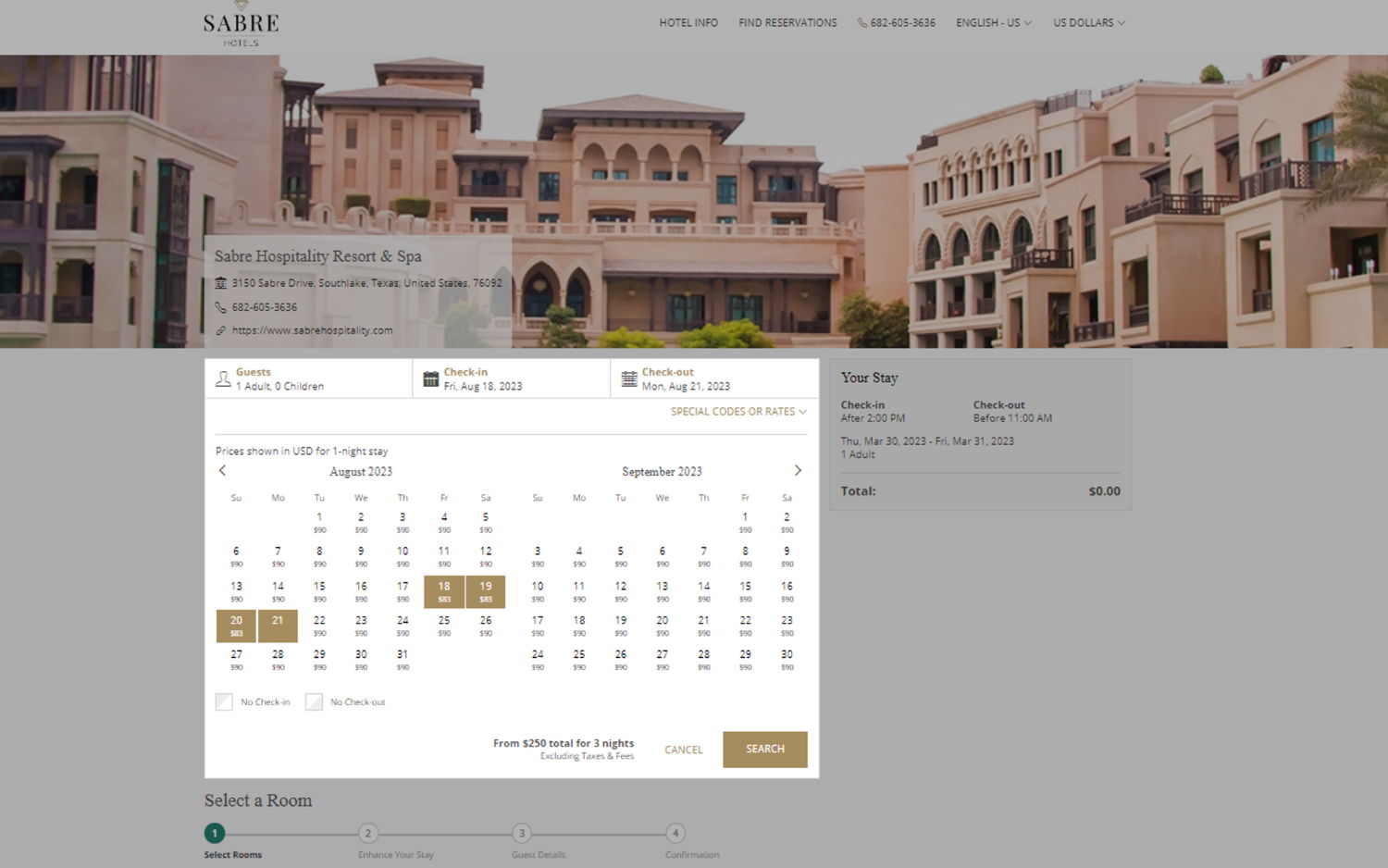
Travelers increasingly find hotels through social feeds, messaging platforms, AI assistants, and conversational search environments. In many of these environments, the traditional hotel website booking flow is several steps removed from the moment when interest first appears.
Marketing technology vendors are responding by building tools that bring booking functionality closer to those discovery moments.
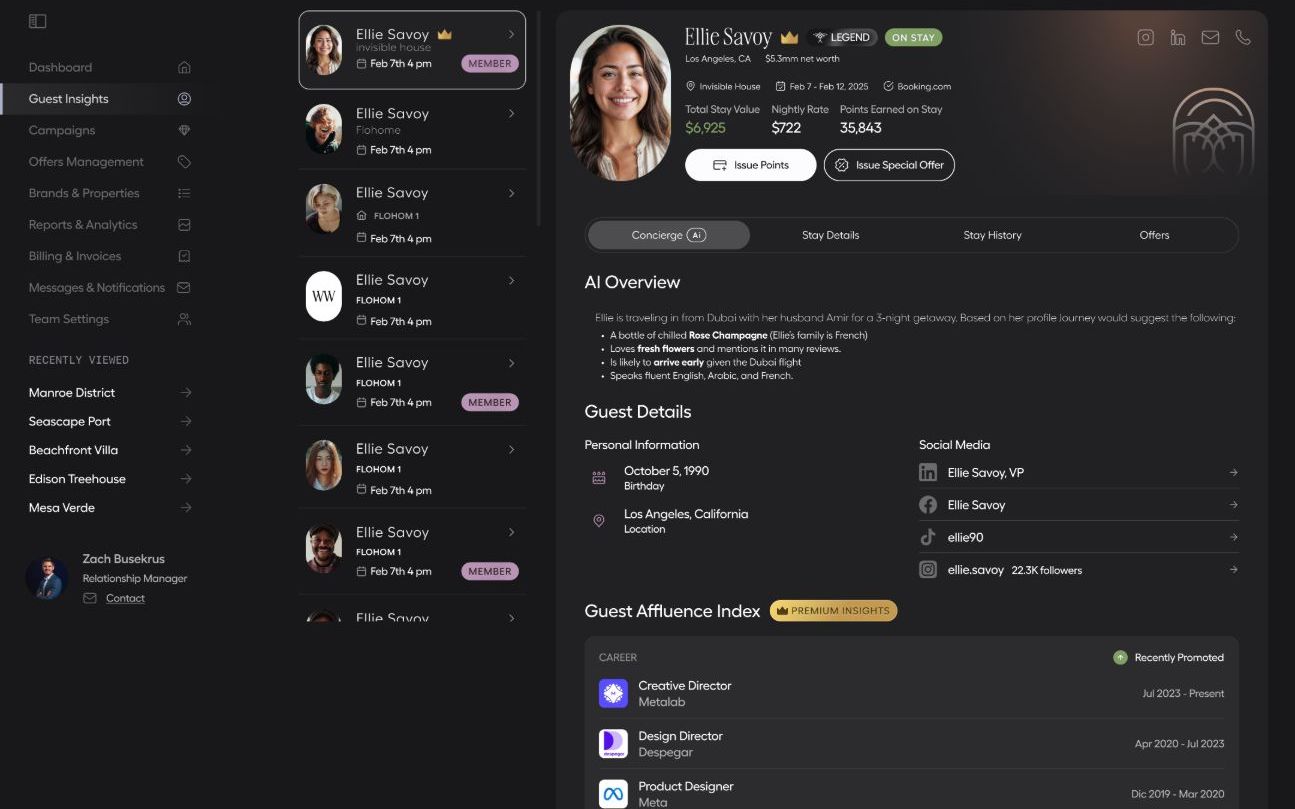
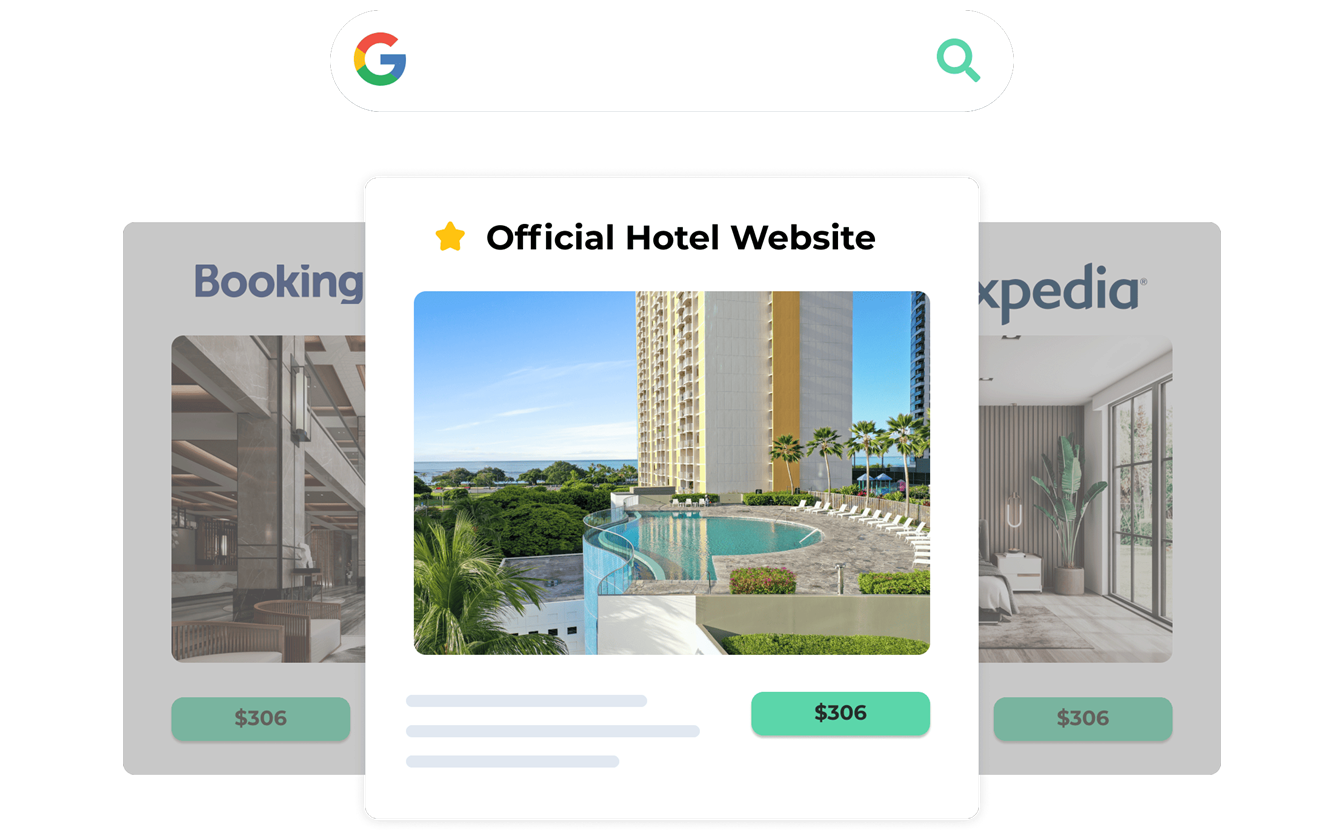
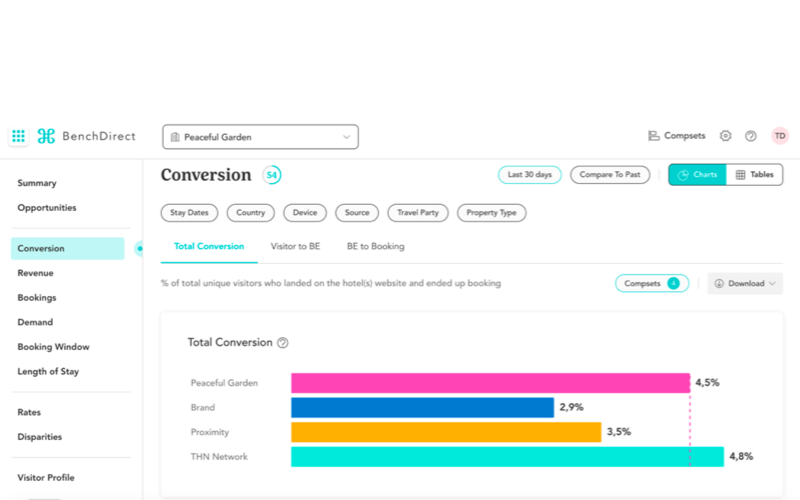
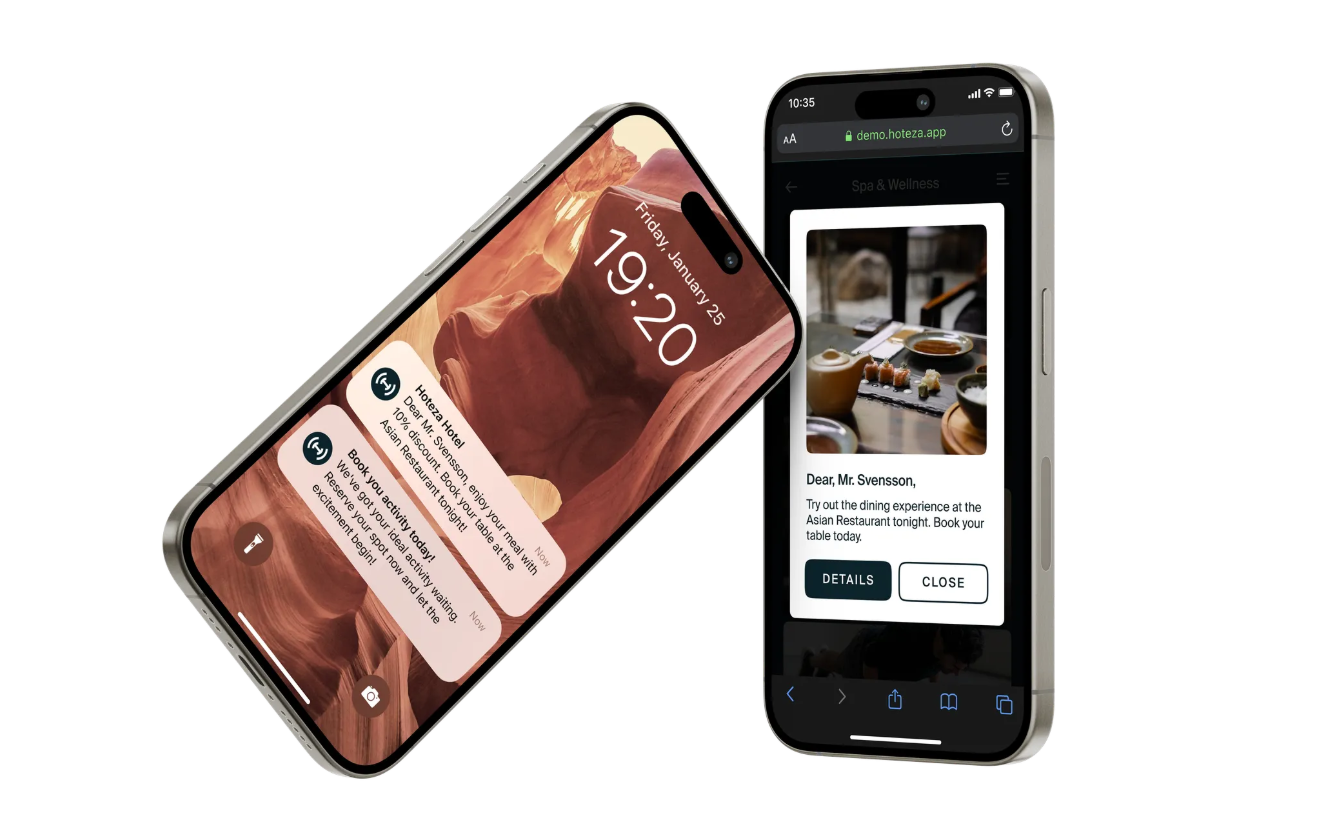
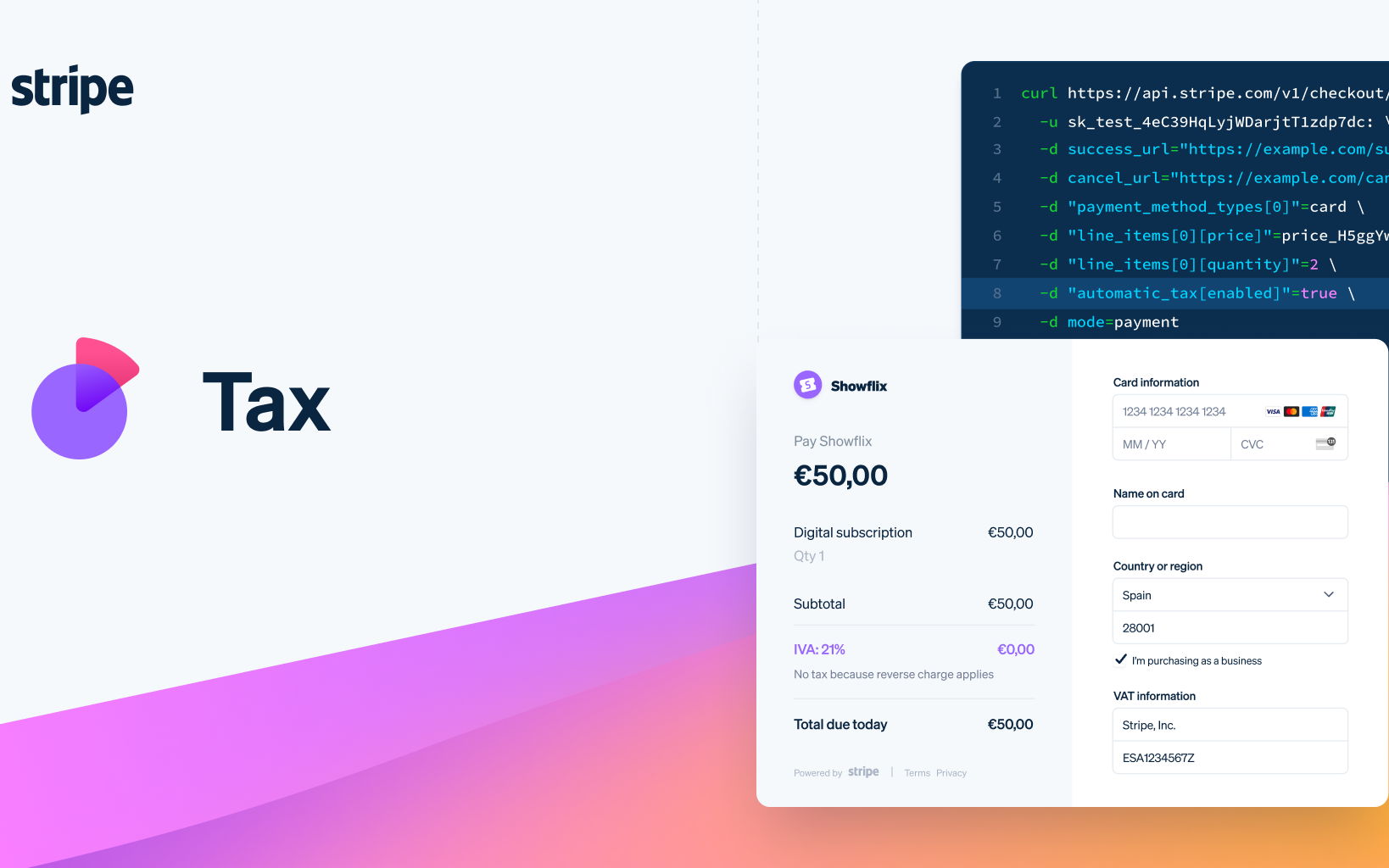
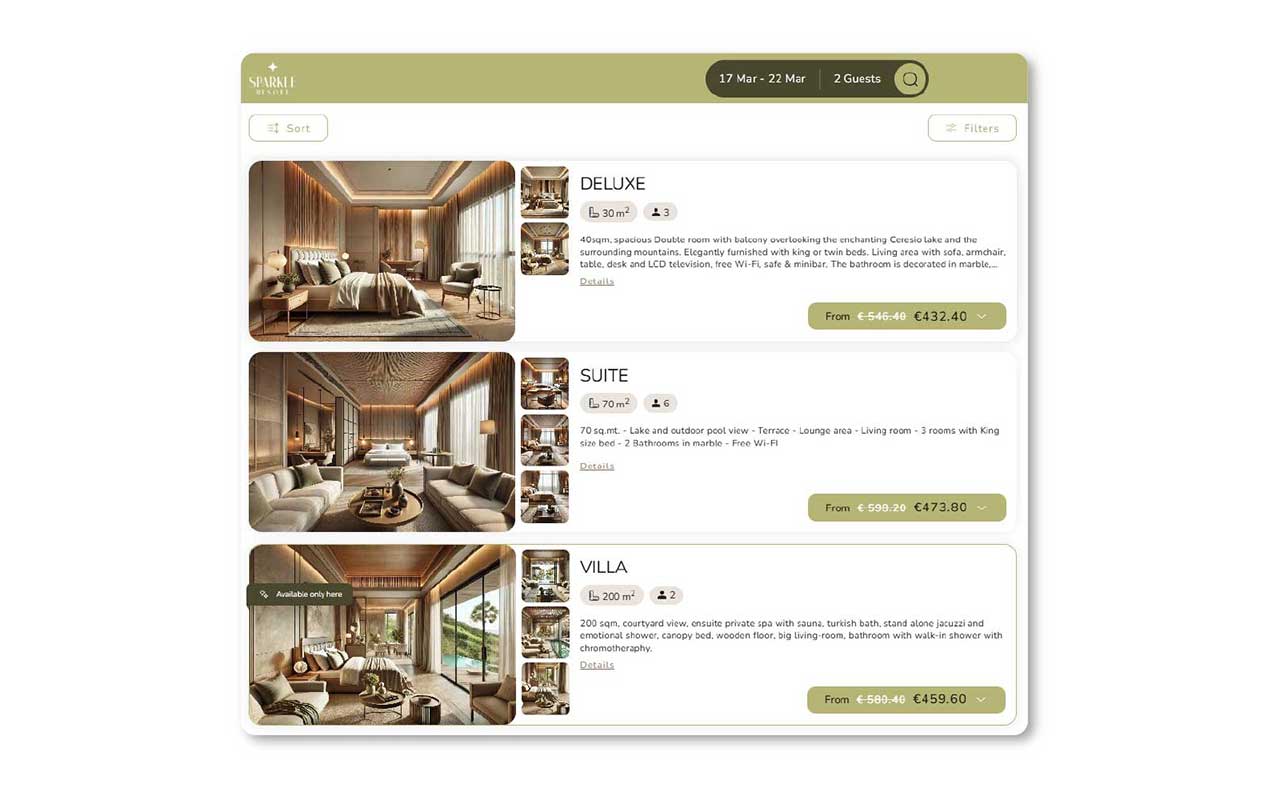
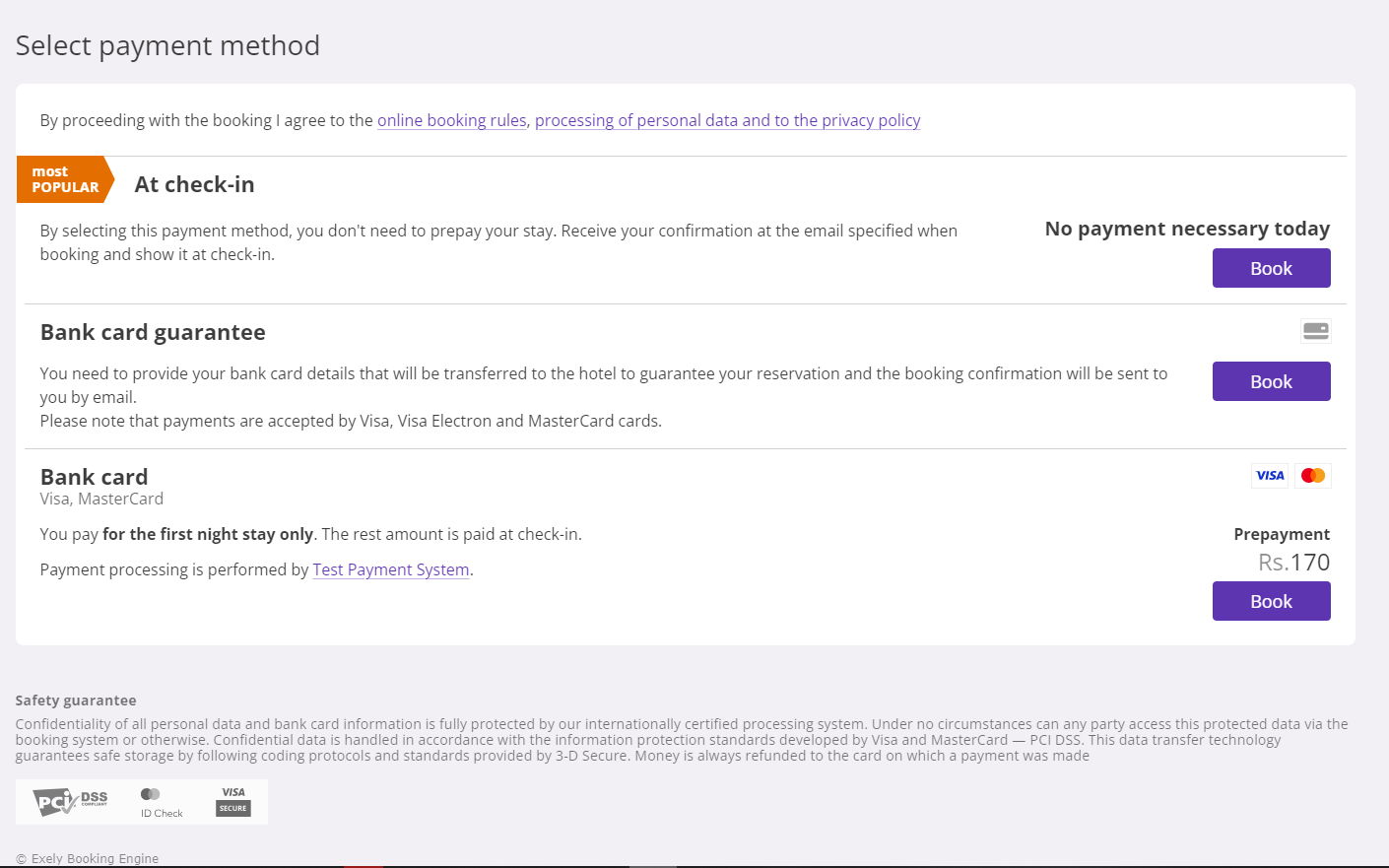
Some platforms allow hotels to display real-time rates directly inside social media ads. Others embed booking functionality into conversational interfaces or AI travel assistants. Website technologies are evolving as well, with tools that personalize messaging dynamically or optimize hotel websites for visibility in emerging AI search environments.
These innovations shorten the distance between discovery and reservation while helping hotels maintain direct relationships with guests rather than relying exclusively on third-party distribution platforms.
 HT Score
Learn More

 ×
×
 HT Score
Learn More

 ×
×
 HT Score
Learn More

 ×
×
 HT Score
Learn More
 ×
×
 HT Score
Learn More

 ×
×
 HT Score
Learn More

 ×
×
 HT Score
Learn More

 ×
×
 HT Score
Learn More

 ×
×
 HT Score
Learn More

 ×
×
 HT Score
Learn More

 ×
×
Sales & MICE: Compressing the Inquiry-to-Proposal Cycle
Group and event sales remain one of the most manual revenue workflows inside hotels.
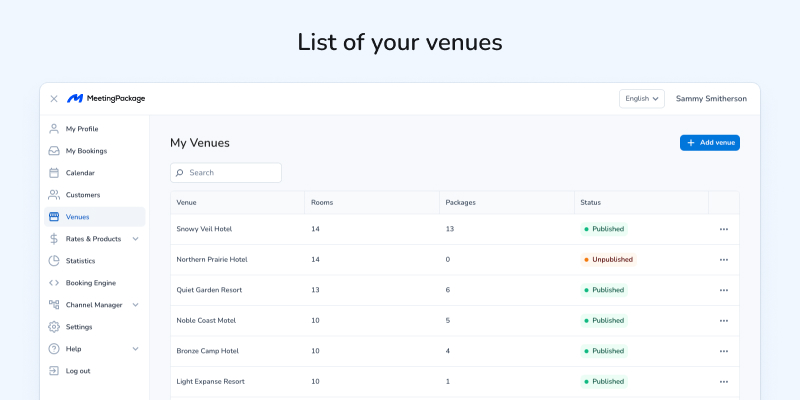
When meeting planners evaluate venues, they rarely wait for a single response. Requests for proposals are typically sent to multiple hotels simultaneously. Sales teams must review the inquiry, check space availability, coordinate with revenue management on pricing, assemble documentation, and return a proposal.
Even efficient teams often require hours or days to complete that process.
Vendors are increasingly targeting this workflow because response speed has a direct impact on conversion rates. The faster a venue can return a clear proposal with pricing and availability, the more likely it is to remain under consideration.
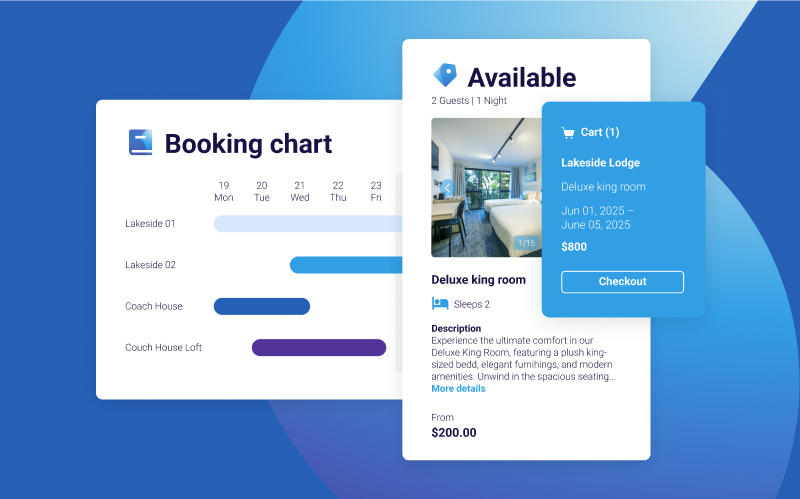
New systems are designed to automate the early stages of this process. Tools now ingest inquiries, interpret event requirements, check availability across systems, calculate pricing, and generate proposals automatically.
The result is a shorter gap between inquiry and response and a sales team that can manage significantly higher inquiry volumes without expanding headcount.
 HT Score
Learn More

 ×
×
 HT Score
Learn More

 ×
×
Stepping back from the individual product launches, the broader takeaway from ITB Berlin is how many vendors are now focused on shortening the time between signals and decisions inside the hotel.
Across sales, revenue management, operations, marketing, and guest experience, the innovations presented this year target the same operational friction points. Meeting inquiries that once required hours to process can now generate proposals automatically. Pricing signals that previously lived in reports are appearing directly inside daily workflows. Guest questions, service requests, and feedback are increasingly routed and resolved without waiting for manual intervention. Marketing campaigns can launch faster and connect directly to booking environments where travelers are already discovering hotels.
Each individual improvement may appear incremental. Taken together, they reshape how quickly a hotel can react when opportunities or problems emerge.
In hospitality, speed often determines outcomes. The venue that responds first to a group inquiry wins the business. The hotel that adjusts pricing fastest captures demand shifts. The property that resolves guest issues immediately prevents service failures from escalating.
Technology cannot replace the judgment and service culture that define successful hotels. What it can do is remove the operational delays that slow teams down.
The innovations showcased at ITB Berlin suggest the next phase of hotel technology will increasingly focus on that goal. For operators evaluating their technology stack, the question is becoming less about adding new tools and more about identifying where faster decisions can produce measurable gains.
In a market where many properties compete with similar locations, amenities, and pricing, decision speed is quietly becoming one of the most important competitive advantages a hotel can build.